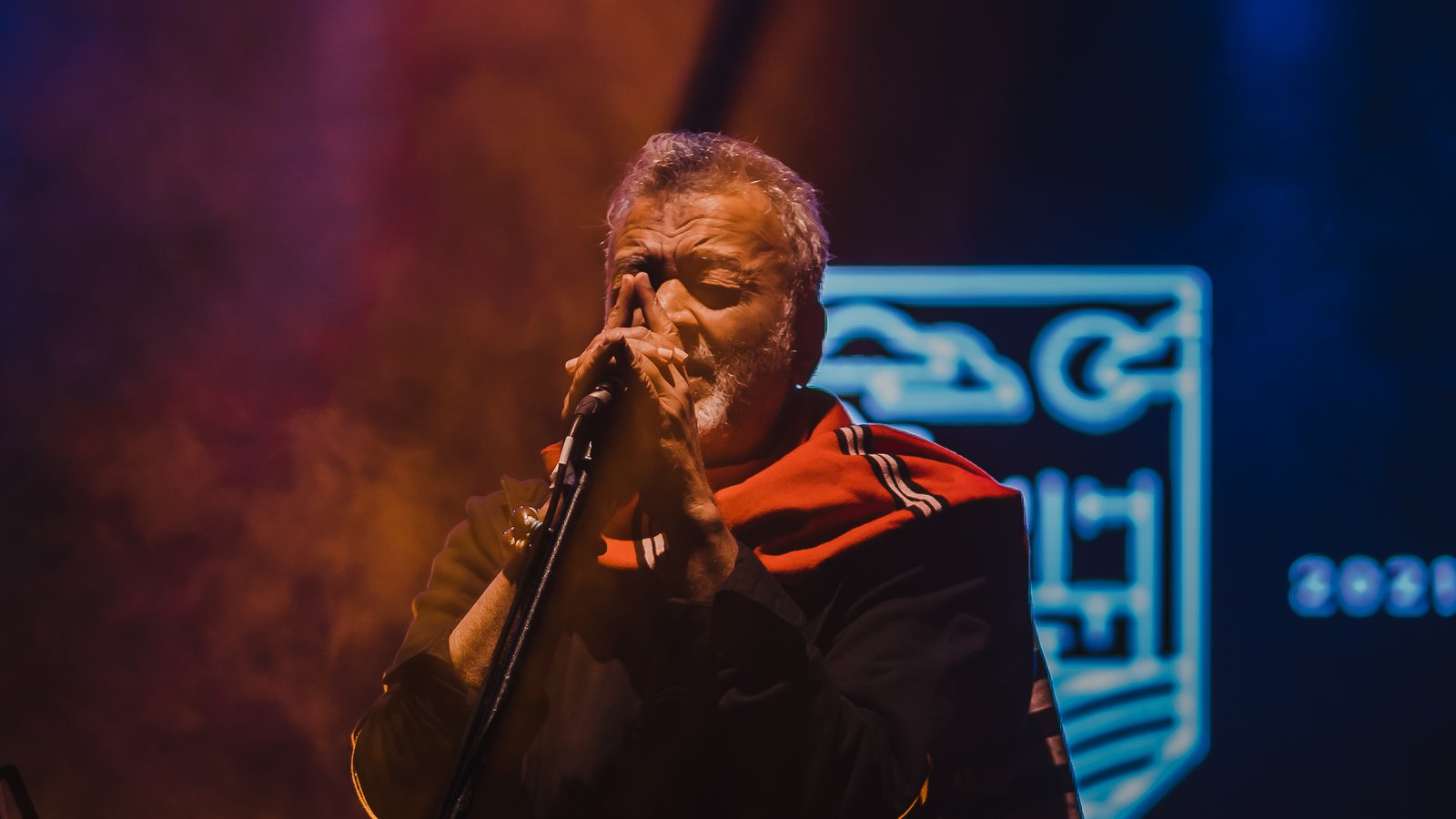
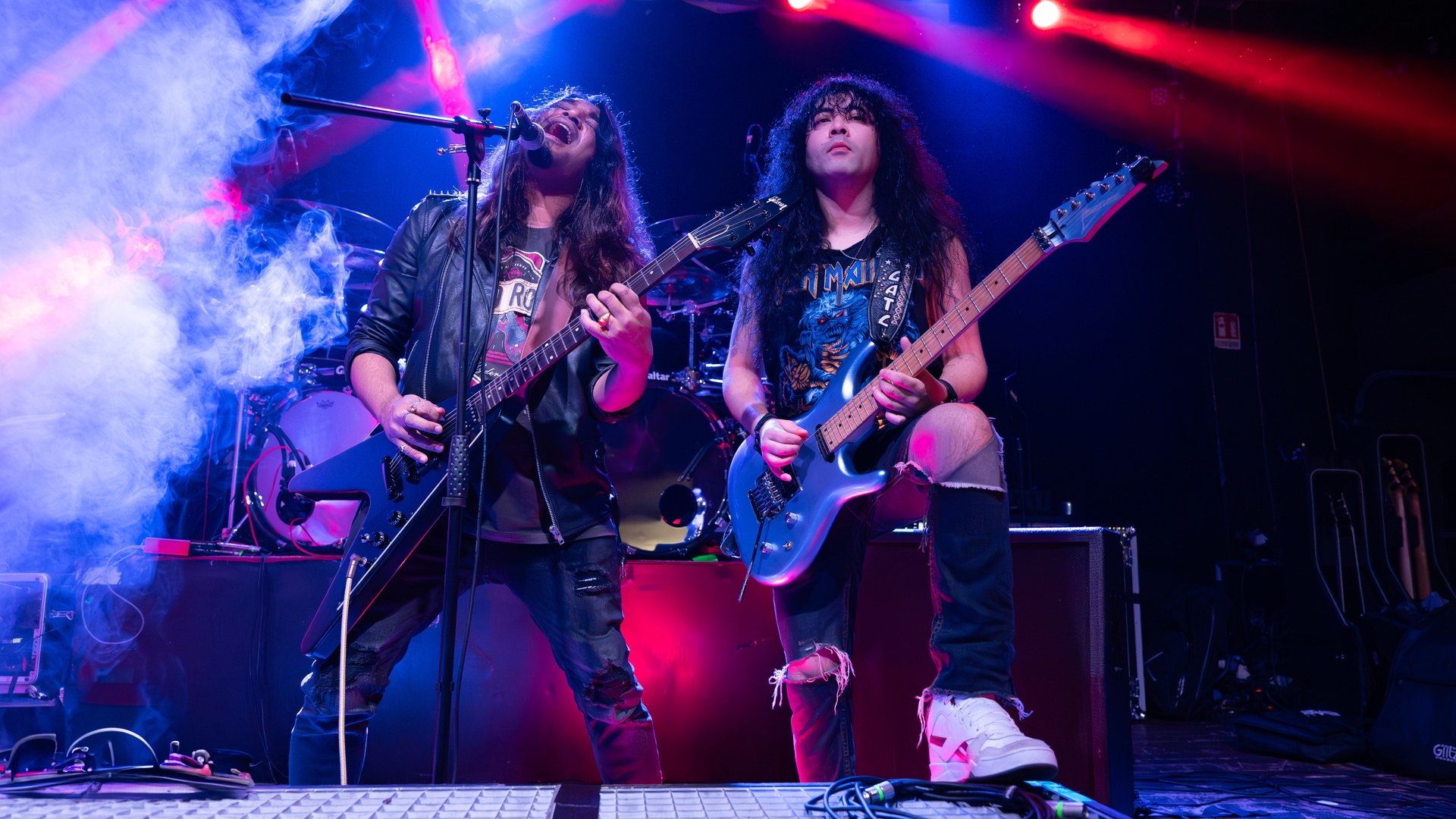
You can recognise the best Indian indie singers in two seconds. Lucky Ali's slightly nasal drift, Prateek Kuhad's half-whisper, Raghu Dixit's open-throated folk shout, Anuv Jain's almost-spoken lines: none of these voices would have passed a playback-singing audition in the 1990s, and all of them became the sound of something bigger than one artist. This guide is about those voices — singers who front their own music, outside the film-soundtrack system, and who have a released catalogue we can point to.
We are deliberately not repeating other lists. Our guide to Indian female indie artists covers women across genres in more depth; Indian singer-songwriters is about writing more than singing; Indian indie pop artists is about the pop end. This page is about the instrument itself: what each voice does, and the song that shows it best.
The template voices
Lucky Ali. Born Maqsood Mahmood Ali in Bangalore in 1958, he became one of the defining voices of 1990s Indipop. Sunoh (1996) and its "O Sanam" are the obvious start; Sifar (1998) and Aks (2000) show a voice that never tries to impress, which is why it still does. Almost every soft-voiced Hindi singer-songwriter of the last decade owes him something. Lucky Ali; Lucky Ali songs.
Mohit Chauhan. Before film playback made him famous, Mohit Chauhan fronted Silk Route, whose Boondein (1998) gave the late 1990s "Dooba Dooba". His voice has a mountain-folk grain — breathy, slightly rough at the top — that made soft rock sound personal. Start with Boondein, then Pehchan. Silk Route / Mohit Chauhan.
Kavita Seth. Known for film playback and for ghazal and Sufi performance, Kavita Seth also has an independent catalogue, including the 2026 EP Dil Safar, made with her son Kanishk Seth. A deep, steady voice rooted in the Sufi tradition; useful listening for anyone who thinks "indie" only means guitars. Kavita Seth; Kavita Seth songs list.
Raghu Dixit. Born in 1974 in Nashik, he fronts the Raghu Dixit Project and sings in Kannada and Hindi with a huge, open folk voice built for outdoor stages. The Project's 2008 debut carried "Mysore Se Aayi"; Shakkar (2024) brings it up to date, and Courtyard Jam Sessions catches the voice unplugged. Raghu Dixit; Raghu Dixit Project story.
The bedroom-folk voices
Prateek Kuhad (Jaipur). Born in 1990, writing in Hindi and English, Kuhad defined the quiet, close-miked indie voice of the late 2010s. Start with In Tokens & Charms (2015) for the Hindi songs, then The Way That Lovers Do (2022) for the English, and the earlier Raat Raazi EP (2013) for the beginnings. The voice barely rises above conversation, and that restraint is the point. Prateek Kuhad; Prateek Kuhad songs.
Anuv Jain (Ludhiana). Born in 1995, he started writing songs at sixteen. His voice is the most fragile on this list — thin, a little cracked, almost spoken — and that fragility made "Baarishein" and its follow-ups feel like private messages. Start with "Baarishein". Anuv Jain; profile.
Faheem Abdullah (Srinagar). His listed catalogue begins with the album Lost;Found in 2024. A high, soft Kashmiri-accented Hindi-Urdu voice that carries ghazal phrasing into indie-pop production. Faheem Abdullah; profile.
Taba Chake (Arunachal Pradesh). A fingerstyle guitarist who sings in Nyishi, Hindi and English. His voice is warm and easy, and it switches languages without any change in temperature. Start with Bombay Dreams. Taba Chake.
Ali Saffudin (Kashmir). Kashmiri-language songs, often recorded at home, from "Bisht Bisht" (2019) to Irtiqa (2026). A plain, unhurried voice that sounds like it belongs to the songs rather than the other way round. Start with Home Recordings Vol. 1. Ali Saffudin.
Band frontpeople
Some of the scene's most distinctive voices belong to bands. Suryakant Sawhney of Peter Cat Recording Co. sings like a lounge crooner who has been up for three nights; hear Bismillah, then his solo project Lifafa. Raman Negi of The Local Train has the voice of the Hindi rock revival: clear, slightly strained, made for crowds singing back on Aalas Ka Pedh. Siddharth Basrur, born in 1981, moved from rock fronting to playback while keeping a full rock tenor; see Siddharth Basrur and our profile. Harish Sivaramakrishnan of Agam brings Carnatic technique to progressive rock on The Inner Self Awakens (2012). For more band voices see Indian indie bands and Hindi indie bands.
The new pop-indie voices
Osho Jain. Releases begin with "Khoobsurat" in 2017; later work includes Saar, Wahaan and Uff. A gentle baritone in a field full of tenors. Osho Jain; profile.
Mitraz. The Gorakhpur duo of Anmol Aashish and Pratik Singh; soft, close vocals over minimal pop on Zehen and Neendein. Mitraz.
Vaibhav Malhotra. From "Bas Yahan" (2019) to "Afreen" (2026), with the EP Afsana. A warm, Urdu-leaning voice. Vaibhav Malhotra; Afreen review.
Divyam Sodhi. Five releases from "Kya Kahein" (2025), including the EP Ehsaas. Divyam Sodhi; Khwaab.
Garvit–Priyansh. Singer-composer duo of Garvit Soni and Priyansh Srivastava, blending Indian classical and contemporary pop; the Netflix Musafir Cafe songs and Lafz. Garvit–Priyansh; profile.
Women's voices, briefly
We cover women in depth on Indian female indie artists, but a voices guide without them would be wrong. Start with Anoushka Shankar, an instrumentalist whose sitar does the singing across records from Anourag to Traveller (Anoushka Shankar); Shriya Rao on In a Box (Shriya Rao); Anika on Five Foot Three (Anika); and Hanita Bhambri (profile). For rap voices see Indian women rappers.
Voices to follow next
These singers have shorter catalogues, but each has a voice you would know again after one song. We include them because their released work already justifies a listen, not because of any new release campaign.
Navjot Ahuja. A multi-genre songwriter whose catalogue begins in 2022. His voice has a light rasp and a habit of holding back on the chorus where most singers push. Start with the EP Sukoon, then read our review of "Khat". Navjot Ahuja.
Saahel. Releases are almost entirely singles, with the earliest, including "Zariya", from 2022. A soft, devotional-leaning voice that suits slow Hindi ballads. Our review of "Halki Halki" is a good entry. Saahel.
Arunima Wali. Nine releases from "Can't Breathe" (2021) to "Dil Ki Yaari" (2026), moving between English and Hindi with an unusually clear, bright tone. See the review of "Dil Ki Yaari". Arunima Wali.
Niank. Eight releases from "Fall" (2022) to "Longer Way Back Home" (2026). Hushed English-language songwriting with a folk singer's patience; our review covers the newest. Niank.
Vardaan Malhotra. From "Adhoora" (2024) to "Khatt" (2026), with the EP Putla. A grainier voice than most of his peers, which gives his Hindi ballads weight. Vardaan Malhotra; review of "Khatt".
Regional voices beyond Hindi and English
Some of the most distinctive singing in Indian independent music happens in languages national playlists rarely touch. Praveen Alva of Alva Kuuto sings in Tulu over eclectic folk on the band's self-titled album. Dabzee half-sings, half-raps in Malayalam with a melodic lilt borrowed from Mappila song on Delkochi. Vasuki Vaibhav, born in Bengaluru in 1992 and trained in theatre, brings a stage actor's diction to Kannada songs; see our review of "Gira Gira". For more, browse Kannada indie music, Malayalam indie bands and artists and Assamese singers.
How we chose
Every singer here fronts their own released music, and every entry links to a catalogue on Discography. We left out pure playback careers, cover artists and acts we could only find in press releases. We did not rank by streams or followers. Where we describe a voice, it is a critical judgement from listening to the records named, nothing more. If you think a singer is missing, check the artists hub; we add new pages each week once releases can be confirmed.
What makes an indie voice
The common thread is refusal of the playback ideal. Hindi film singing prized range, polish and the ability to sound like any actor. Indie singers do the opposite: they sound like exactly one person. Prateek Kuhad sings as if you are in the room; Anuv Jain sings as if he is not sure he should be singing at all; Raghu Dixit sings as if the room has no walls. Production has followed the voices. Close miking, dry vocals and minimal reverb have become the house style of Indian indie because they let small voices carry.
That also explains the language shift. A voice that sounds like a person wants to sing in that person's language, and so Kashmiri, Nyishi, Kannada and Punjabi now sit next to Hindi and English. For the bigger picture see Indian indie languages.
A ten-song voice sampler
- Lucky Ali – "O Sanam"
- Silk Route – "Dooba Dooba"
- The Raghu Dixit Project – "Mysore Se Aayi"
- Prateek Kuhad – "Tum Jab Paas"
- The Local Train – "Choo Lo"
- Peter Cat Recording Co. – "Floated By"
- Anuv Jain – "Baarishein"
- Taba Chake – a song from Bombay Dreams
- Faheem Abdullah – a song from Lost;Found
- Ali Saffudin – a song from Home Recordings Vol. 1
For a broader track list, read Indian indie songs: 50 essential tracks and Indian indie love songs.
Common questions
Who is the best Indian indie singer? There is no honest single answer. For influence, Lucky Ali; for the streaming era, Prateek Kuhad; for range of language and stage power, Raghu Dixit.
Are playback singers indie? Not when they are singing for films. Several singers here, including Mohit Chauhan, Siddharth Basrur and Kavita Seth, also do playback; we list their independent work only.
Discography is an independent music magazineHow to get coveredRelease music in IndiaIndian indieIndian indie bandsAbout