For most of the 1990s and 2000s, a band singing in Hindi was a band that had either given up on "real" rock or was auditioning for a film. English was the language of the college circuit, and Hindi belonged to Bollywood. That changed slowly, then all at once. By the late 2010s the most-heard guitar bands in the country sang in Hindi and Urdu, and the language had become the default rather than the exception.
This guide covers the Hindi indie bands that made and remade that shift. It is about bands, not solo singers (for those, see Indian indie singers and Indian singer-songwriters), and it is about released records. Every band has a page on Discography with its catalogue. If you want individual tracks, our companion list is Hindi indie songs.
Why Hindi took over
Three things happened together. First, a generation of songwriters grew up reading Urdu poetry and listening to Gulzar and Javed Akhtar lyrics, and wanted to write in that tradition without film-music orchestration. Second, streaming removed the gatekeepers who had assumed English-language indie was the only kind worth programming. Third, small-town and non-metro listeners, who had never been the target audience for English indie, found bands that sang about their lives in their language. The result is a scene whose centre of gravity moved from Bengaluru and Mumbai pubs to Delhi, Chandigarh, Jaipur, Lucknow and Udaipur.
The pioneers
Indian Ocean (New Delhi, 1990). The founding Hindi band of the independent era, even if their lyrics are often folk texts and prayers rather than original verses. Kandisa (2000) is the entry point; Jhini and 16/330 Khajoor Road follow; Tandanu is the collaborative late record. Indian Ocean showed that a band could sing in Hindi and still be taken seriously by rock audiences. Indian Ocean; history.
Silk Route (Delhi). Mohit Chauhan's band, whose soft-rock album Boondein gave the late 1990s "Dooba Dooba", and whose second record Pehchan followed. Silk Route sat closer to Indipop than to rock, but it proved that a Hindi guitar band could be on television. Silk Route; see also 90s Indipop artists.
Euphoria (Delhi). Palash Sen's band, which carried Hindi pop-rock to college stages through the late 1990s and 2000s with songs like "Maaeri". We do not yet have a catalogue page for Euphoria; we include them for history. Context: 90s Indipop songs.
Agnee (Pune, 2007). Formed by Kannan Mohan, a banking executive turned musician, and guitarist Kaustubh Dhavale (Koco). Agnee's self-titled album bridged rock bands and television music in the late 2000s. Agnee; profile.
The bridge generation
Coshish (Mumbai, 2006). Hindi progressive rock that started as a duo around Mangesh Gandhi. Firdous is a patient, literate record that set a high bar for lyric writing before the boom arrived. Coshish; profile.
Swarathma (Mysuru/Bengaluru, 2002). Mostly Kannada and Hindi, sometimes in the same song. Swarathma's Hindi writing is satirical and political, which makes Raah-e-Fakira (2018) one of the sharpest Hindi indie records of its decade. Swarathma; history.
Advaita (Delhi). A fusion band that mixed Hindustani classical voice with rock arrangements in the late 2000s and early 2010s. No catalogue page on Discography yet; included for context.
The streaming-era wave
The Local Train (Chandigarh → New Delhi). Formed in Chandigarh in 2008, based in Delhi since 2015, and the band most responsible for making Hindi rock mainstream again. Aalas Ka Pedh (2015) carries "Choo Lo" and "Aaoge Tum Kabhi"; Vaaqif (2018) is more political, writing about communalism and anger as well as love. Start with Aalas Ka Pedh. The Local Train; history.
The Yellow Diary (Mumbai). Hindi pop-rock with a strong vocal identity from Rajan Batra. Marz and Izafa. Start with Marz. The Yellow Diary; profile.
Last Minute India (Mumbai). A Hindi pop-rock band formed by engineering students in college, with eleven releases listed. Light, melodic songs that sit between campus rock and film pop. Last Minute India; profile.
The Lost Symbols (Jaipur). Hindi-Urdu alt-rock with a cinematic streak and one of the deepest catalogues here: Farogh, Gharq, Taysa, The Diary. Aman Raj leads on vocals and lyrics. Start with Farogh. The Lost Symbols; profile.
Aswekeepsearching (Ahmedabad, 2013). A post-rock band that turned to Hindi vocals and found a much larger audience. Zia and Rooh are the Hindi-forward records. Aswekeepsearching; profile.
Lifafa (New Delhi). Strictly a solo project, but Suryakant Sawhney (of Peter Cat Recording Co.) works it like a one-man band: synths, drum machines and Hindi wordplay. Superpower 2020 and Jaago. Lifafa; songs and albums.
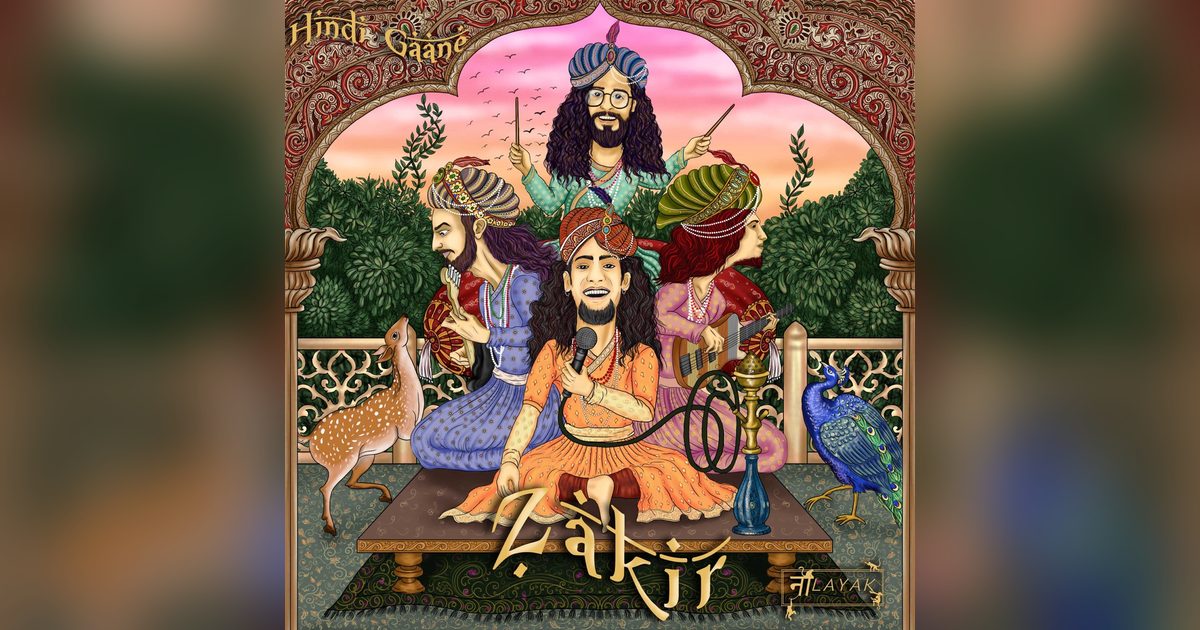
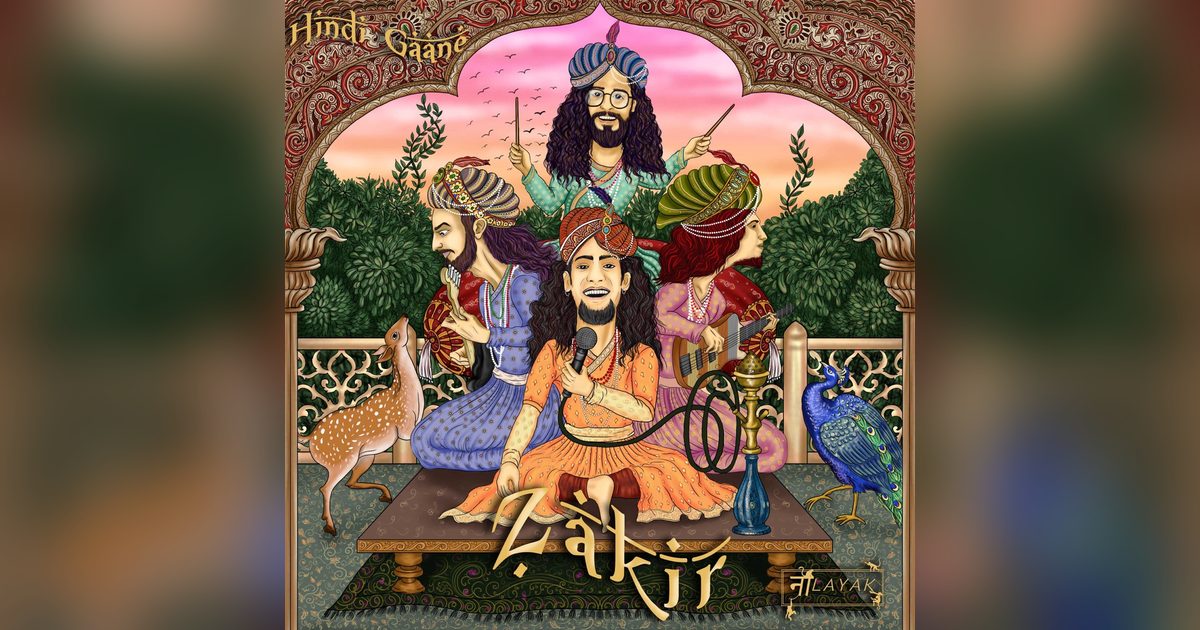
Naalayak. Thirty-five releases from 2018, including the self-titled EP, Main Ka Bukhar and Hindi Gaane. Wry, conversational Hindi indie-pop. Start with Hindi Gaane. Naalayak; profile.
Bawari Basanti. Twenty-two releases from "Kay Sara Sara" (2018) to Wahh (2026), with the album Tu Haina at the centre. One of very few Hindi rock bands fronted by a woman. Bawari Basanti.
The new small-city bands
Khanabadosh (Udaipur, 2018). Founded by Gaurav Solanki and Arpan Jain; the debut single "Kaala Dil" came out on 18 September 2020. Rawer and grittier than the Delhi bands. Khanabadosh; Awarapan review.
Antariksh (New Delhi, 2012). Founded by Varun Rajput; Khoj (2013), then the album Quest in December 2024. Wide, anthemic Hindi rock. Antariksh; profile.
Bad Trip (New Delhi, 2020). "Out of Reach", "Kya Pata" and "Cold Days" — a small, sharp catalogue. Bad Trip; profile.
Salt Rock (New Delhi, 2020). Alt-rock whose 2026 single "Stay" opens its debut album campaign. Salt Rock; review.
Fiddlecraft (Pune). Gaurav Kadu's pop-rock band, heard in The Family Man Season 2 and Citadel: Honey Bunny. Ram Ram and a live version from GIFLIF. Fiddlecraft; profile.
Mitraz (Gorakhpur). Technically a duo — Anmol Aashish and Pratik Singh — making soft Hindi pop with a band's sense of arrangement. Zehen, Neendein, Four Zero. Mitraz; profile.
Hindi rap crews and heavy bands
Hindi independent music is not only guitars. Seedhe Maut are a Delhi rap duo who work like a band, with producer Sez on the Beat as a near-permanent member on records such as Bayaan and Nayaab. Bloodywood bring Hindi and Punjabi into folk metal on Rakshak. For more, see underground Indian rappers and Indian metal bands.
A Hindi indie band listening order
- Indian Ocean – Kandisa
- Silk Route – Boondein
- Coshish – Firdous
- The Local Train – Aalas Ka Pedh
- The Lost Symbols – Farogh
- Aswekeepsearching – Zia
- Swarathma – Raah-e-Fakira
- Lifafa – Superpower 2020
- Bawari Basanti – Tu Haina
- Mitraz – Zehen
Ten records, from the fusion pioneers to the current pop crossover. Play them in order and you hear Hindi rock move from folk texts to original poetry, from guitar walls to bedroom synths, and from Delhi to everywhere.
What the lyrics are about
The striking thing about Hindi indie bands, compared with their English-language predecessors, is how directly they write about the country. The Local Train's Vaaqif names communal violence; Swarathma's Raah-e-Fakira mocks the middle class; Khanabadosh and The Lost Symbols write about restless young men in small cities. Love songs dominate, as they do everywhere, but the love songs tend to borrow their imagery from Urdu ghazal rather than from Western pop. For a deeper look at language choices, read Indian indie languages and the regional language release strategy guide.
How Hindi indie bands release music
The economics shape the sound. Most of the bands above began by releasing singles, one every few months, because that is what streaming services reward. Albums became statements made once a band had an audience: The Local Train waited until Aalas Ka Pedh had a following before making Vaaqif; The Lost Symbols built a long run of releases before their bigger records. Live shows still pay most of the bills, which is why the strongest bands here all have a reputation as stage acts first.
That pattern has a cost. Songs that work as singles are often short, mid-tempo and built around one chorus line, and a lot of new Hindi indie sounds similar for that reason. The bands worth following are the ones that resist it: Coshish with long-form songs, Swarathma with satire, Aswekeepsearching with post-rock dynamics, Lifafa with odd electronic textures. If you want to understand how releases and rights work for these bands, our explainers on releasing music without a label and who owns Indian indie masters go further.
Common questions
What is the most popular Hindi indie band? In the streaming era, The Local Train is the most widely heard Hindi rock band; Indian Ocean remains the most influential. We do not quote stream numbers we have not verified.
Is Hindi indie the same as Hindi pop? No. The line is blurry, especially with acts like Mitraz and Last Minute India, but indie here means made outside the film-soundtrack system, usually self-released or on a small label, and written by the band itself.
Which Hindi indie band should I start with? If you like rock, The Local Train. If you like folk and long songs, Indian Ocean. If you like lyrics above all, Coshish or The Lost Symbols.
Are there Hindi indie bands outside Delhi and Mumbai? Yes, and some of the best. Jaipur (The Lost Symbols), Udaipur (Khanabadosh), Ahmedabad (Aswekeepsearching), Pune (Agnee, Fiddlecraft) and Gorakhpur (Mitraz) are all represented above.
Where to hear them live
Hindi bands now headline college fests and city club nights rather than opening for English acts. Our guides to best Indian live bands, college fest gigs and the Delhi indie scene cover where to go.
Discography is an independent music magazineHow to get coveredRelease music in IndiaIndian indieIndian indie bandsAbout