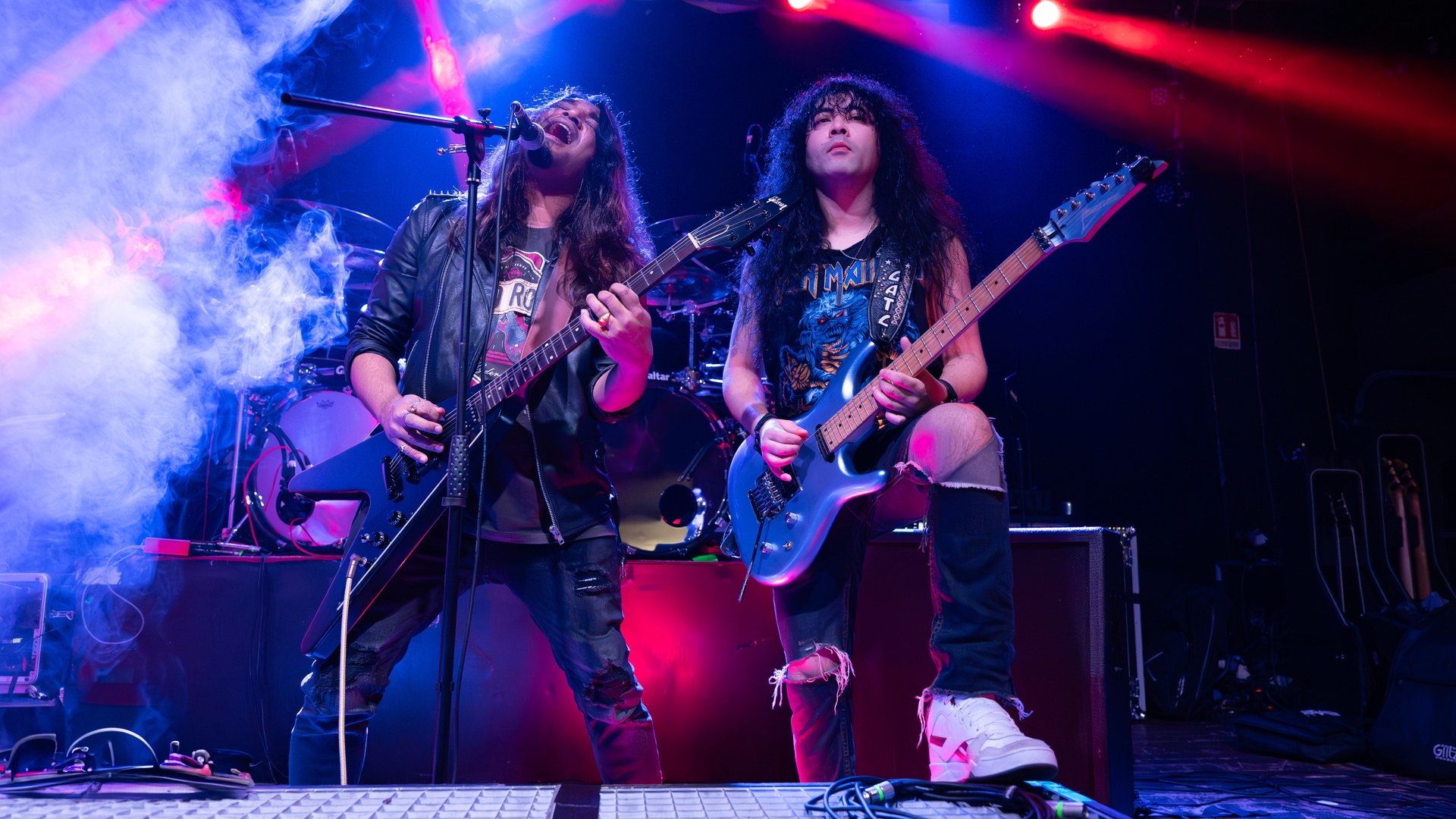
"Alternative rock" in India has never meant one sound. In the 1990s it meant anyone who was not playing covers of Deep Purple at a college festival. In the 2000s it meant Bengaluru bands writing wry English songs about traffic and software jobs, and Kerala bands singing in Malayalam over distorted guitars. In the 2010s it came to mean Hindi guitar music with a sad, literate streak. Today it covers Delhi art-rock, Kashmiri psych, Udaipur post-grunge and Imphal indie.
This page is a guide to that whole field, not a ranking. Every band below has released music you can play, and every entry tells you where to start. We have kept heavy metal, prog-metal and classic rock out; those live on our pages for Indian rock bands, legendary Indian rock bands, Indian metal bands and Indian progressive rock bands. For the wider picture, see Indian indie bands.
What counts as alternative here
We used three tests. The band writes original songs, not covers. Its sound leans away from both stadium hard rock and film-song orchestration: more texture, more space, more unusual structure. And it releases on its own terms, usually independently or on a small label. Language does not matter. Some of the best Indian alternative rock is in Malayalam, Kashmiri or Meitei.
The first wave: 1996–2008
Thermal and a Quarter (Bengaluru). Reference sources date the band to 1996, and it has been the model for "Bangalore rock" ever since: clean guitars, jazz-inflected chords, tight rhythm and lyrics that are funny without being jokes. The concept album Jupiter Cafe (2002) is its first full statement; Plan B (2005) was released online for free under a Creative Commons-style licence, a decade before Indian bands worried about streaming payouts. Later records include 3 Wheels 9 Lives and The Scene. Start with Plan B. Profile: Thermal and a Quarter; history: band story; recent single: Lies review.
Avial (Thiruvananthapuram/Kochi). Formed in 2003, Avial put Malayalam folk melody and lyric over alternative rock and electronic textures. The self-titled album (2008) won six of the seven Jack Daniel's Rock Awards that year and remains the band's only studio album. Play it front to back, starting with "Nada Nada". Profile: Avial; history: Avial band.
Motherjane (Kochi). Formed in 1996, Motherjane is more progressive than alternative, but Maktub (2008, not currently on Apple Music India) shares the decade's appetite for local sound inside rock form. Hear it as a counterpoint to Avial. Motherjane; history.
Indian Ocean (New Delhi). Formed in 1990, Indian Ocean predates the word "alternative" in India and is usually filed as fusion. But Kandisa (2000) and Jhini are alternative records in every sense that matters: long-form, rhythm-led, indifferent to radio. Indian Ocean; history.
Swarathma (Mysuru/Bengaluru). Formed in 2002, Swarathma's folk-rock is theatrical and political. Three studio albums, ending with Raah-e-Fakira (2018). Swarathma; history.
The Bengaluru college generation: 2008–2015
All The Fat Children (Bengaluru). Formed in June 2008 as a college band at Christ University, ATFC became one of the city's most dependable alt-rock acts: big riffs, melodic choruses, a sense of humour. Start with the band profile at All The Fat Children and our longer ATFC history.
Pineapple Express (Bengaluru). More progressive and genre-hopping than most, with three EPs: Uplift (2018), Deja Vu (2019) and Passages (2020). Start with Uplift. Pineapple Express; history.
Aswekeepsearching (Ahmedabad). Began in September 2013, and moved from post-rock instrumentals toward Hindi vocals. Records include Khwaab, Zia, Rooh and Growing Suspicions. Start with Zia. Aswekeepsearching; profile; context: Indian post-rock bands.
The Hindi alt-rock wave: 2015 onwards
The Local Train (Chandigarh → New Delhi). Formed in Chandigarh in 2008 and based in Delhi since 2015, The Local Train write mainly in Hindi and Urdu. Aalas Ka Pedh (2015) is the defining Hindi alt-rock record of the streaming era; Vaaqif (2018) sharpened the lyrics. Start with "Choo Lo", then play Vaaqif complete. The Local Train; history.
Peter Cat Recording Co. (New Delhi). Founded in 2009 around Suryakant Sawhney, the band mixes alt-rock with cabaret, jazz and old Hindi film-music textures. Bismillah is its best-known record and Beta its stranger cousin. Sawhney's solo project Lifafa is the essential side-step. Peter Cat Recording Co.; members and history.
The Yellow Diary (Mumbai). Pop-leaning, but its guitars and arrangements keep it in the alt-rock family. Two records: Marz and Izafa. Start with Marz. The Yellow Diary; history.
Coshish (Mumbai). Hindi progressive alt-rock formed in 2006, starting as a duo around Mangesh Gandhi. Firdous is the record. Coshish; profile.
The Lost Symbols (Jaipur). Hindi-Urdu alt-rock with a cinematic streak and a deep catalogue: Farogh, Gharq, Taysa and The Diary. Start with Farogh. The Lost Symbols; profile.
Khanabadosh (Udaipur). Founded by Gaurav Solanki and Arpan Jain in 2018; debut single "Kaala Dil" came out on 18 September 2020. Gritty Hindi alt-rock from outside the metros. Khanabadosh; Awarapan review.
Antariksh (New Delhi). Founded by Varun Rajput in 2012; Khoj (2013) and the album Quest (December 2024). Big-sky Hindi rock. Antariksh; profile.
Bad Trip (New Delhi). Debuted in 2020 with "Out of Reach", followed by "Kya Pata" and "Cold Days" in 2021. Short catalogue, sharp songs. Bad Trip; profile.
Salt Rock (New Delhi). Debuted in 2020; "Stay" (2026) is the first song from its debut album. Salt Rock; Stay review.
Apartment Upstairs (Bengaluru). Rock-and-soul duo whose members met in 2018 at college in Delhi; Two on the Line. Apartment Upstairs; review.
The Western Ghats (Mumbai). Came together in 2019; pop-rock, electronica and R&B on Self Help Radio (2022). The Western Ghats; profile.
Beyond Hindi and English
Parvaaz (Bengaluru, Kashmiri roots). Kashmiri and Urdu lyrics over psychedelic alt-rock. Baran, Kun and, in December 2025, Na Gul Na Gulistan. Start with Baran, then our review of the new album. See also Indian psychedelic rock bands.
Fossils (Kolkata). Bangla rock dated to 1998, with numbered albums including Fossils 5, Fossils 6 and Fossils 7. Bigger and more anthemic than most here, but central to Bengali alt-rock. Fossils; history; context: Kolkata music scene.
Meewakching (Imphal). Indie rock in Meitei, formed in 2019: EPs Ekhenglakta (2020) and The Land (2023), then the album Bildungsroman. Meewakching; context: Northeast India bands.
The Down Troddence (Kannur). Folk-metal more than alt-rock, but its Malayalam-folk ideas speak directly to Avial's. The Down Troddence; Ayaktihis review.
A ten-record listening order
- Indian Ocean – Kandisa
- Thermal and a Quarter – Plan B
- Avial – Avial (2008)
- Swarathma – Raah-e-Fakira
- The Local Train – Aalas Ka Pedh
- Peter Cat Recording Co. – Bismillah
- Aswekeepsearching – Zia
- Parvaaz – Baran
- The Lost Symbols – Farogh
- Meewakching – Bildungsroman
That order moves from fusion through Bengaluru wit, regional language, the Hindi streaming boom and the current spread across Kashmir, Rajasthan and Manipur. Ten records, roughly three decades.
How the sound changed across three decades
The first Indian alternative bands were defined by what they refused. Indian Ocean refused the verse-chorus song; Thermal and a Quarter refused the cover set; Avial refused English. None of them sounded like Seattle or Manchester, which is exactly why they lasted. Their records were made cheaply, often sold at gigs, and passed around on burned CDs and, later, free downloads.
The Bengaluru college generation that followed grew up on those bands and on the internet at the same time. ATFC, Pineapple Express and their peers were technically tighter, and they treated the EP rather than the album as the natural unit. A run of three EPs in three years, as Pineapple Express did between 2018 and 2020, would have been unthinkable to a 1990s band paying for studio time by the hour.
The Hindi wave changed the audience rather than the instruments. When "Choo Lo" spread in 2015, it showed that a guitar band singing in Hindi about longing and small-town restlessness could reach listeners who had never been to a rock gig. Dozens of bands followed: The Lost Symbols in Jaipur, Khanabadosh in Udaipur, Antariksh, Bad Trip and Salt Rock in Delhi. Lyrics moved toward Urdu poetry and plain-spoken heartbreak; production moved toward clean, wide guitars that sound good on phone speakers.
The current moment is the most scattered and possibly the healthiest. Parvaaz brings Kashmiri psychedelia, Meewakching sings in Meitei, and Fossils still fill halls in Kolkata. "Alternative" no longer means alternative to Bollywood alone; it means alternative to the single national sound that streaming playlists tend to flatten everything into.
Common questions
Who is the biggest Indian alternative rock band? By audience in the streaming era, The Local Train is the most-heard Hindi alt-rock band; by influence, Indian Ocean and Thermal and a Quarter set the terms. We do not publish stream counts we cannot verify.
Is Indian alternative rock mostly in English? It used to be. Since 2015 most new bands write in Hindi or Urdu, and some of the strongest records are in Malayalam, Kashmiri, Bangla and Meitei. See Indian indie languages.
Which album should a beginner start with? Aalas Ka Pedh if you want songs; Kandisa if you want a journey; Plan B if you want to hear what Bengaluru rock sounded like before anyone was paying attention.
Where to go next
The live circuit has always been the real home of this music; our guides to the best Indian live bands, Independence Rock and NH7 Weekender cover the stages. For the newest names, see new Indian indie bands. City guides: Bengaluru, Delhi, Mumbai, Kerala.
Discography is an independent music magazineHow to get coveredRelease music in IndiaIndian indieIndian indie bandsAbout