Key facts
- Anjan Dutt: Bengali singer-songwriter born in 1953
- Moheener Ghoraguli: Formed in Kolkata in 1975, led by Gautam Chattopadhyay; broke up in 1981
- Style: Moheener Ghoraguli sometimes called its style Baul jazz
- Kabir Suman: Born Suman Chattopadhyay in 1949; known for 1990s Bengali albums such as Tomake Chai
Kolkata has a fair claim to the deepest songwriting tradition in Indian independent music. The city gave the country one of its earliest original rock groups, a wave of singer-songwriters who reshaped Bengali modern song in the 1990s, and the "Bangla band" movement that still fills college fests and outdoor stages. This guide to the Kolkata music scene follows that history in order. It covers the bands and writers that matter, explains how the scene works, and suggests where to start listening. Every claim about an artist is sourced at the end.
Why Kolkata is different
Most Indian indie scenes started out singing in English and later turned to their own languages. Kolkata did much of it the other way round. Its most important independent music has been in Bengali from the start, and it is written for listeners who care a great deal about lyrics. Satire, politics, love songs and city life all sit in the same catalogue. That gives Kolkata bands a home audience that can sustain long careers without the film industry, although many of the scene's figures also work in film.
The city has also long been a training ground for musicians from elsewhere. Shillong legend Lou Majaw, for example, sang in Kolkata bars and pubs with groups such as the Dynamite Boys and Vanguards before going home to Meghalaya, according to Wikipedia.
The roots: Moheener Ghoraguli (1975–1981)
"Baul jazz" before anyone was listening
Moheener Ghoraguli formed in Kolkata in 1975, during what Wikipedia calls a period of stagnation in Bengali music, when commercial film songs dominated the market. Led by Gautam Chattopadhyay, the group drew on Bengali folk, Baul, American urban folk and jazz, and sometimes called its own style "Baul jazz." Its lyrics were personal and social, and Wikipedia compares them to the 1960s urban folk movement led by Bob Dylan.
The band was "almost unknown in their time" and broke up in 1981. Critics have since re-evaluated its work. In the 1990s Chattopadhyay put together the "Moheener Ghoraguli Sampadito" compilation albums: Aabaar Bochhor Kuri Pore (1995), Jhora Somoyer Gaan (1996), Maya (1998) and Khyapar Gaan (1999). They brought the band's songs to a new generation alongside work by contemporary writers.
Why it matters today: almost every later Bengali band traces its family tree back to this group. If you hear only one historical record from the city, make it Moheener Ghoraguli.
The 1990s songwriters
The 1990s brought a wave of solo writers whose songs did not sound like film music. Rather than a single movement, these were individual voices that shared a willingness to write about real life.
Kabir Suman, born Suman Chattopadhyay in 1949, became famous in the 1990s with Bengali albums such as Tomake Chai ("I Want You") and Boshe Anko ("Sit and Draw"). Wikipedia describes him as a singer-songwriter, composer, writer, actor, politician and former journalist. He later won the National Film Award for Best Music Direction for Jaatishwar (2014). From 2009 to 2014 he was a Member of Parliament for Jadavpur.
Anjan Dutt, born in 1953, is known for his work in the Bengali alternative music genre anyodharar gaan ("songs of a different stream"). He is also an actor and a National Award-winning filmmaker. His acting debut, in Mrinal Sen's Chaalchitra, won him the best newcomer award at the Venice Film Festival. For musicians, Dutt is a model of a songwriter who kept writing music while working in cinema.
Nachiketa
Nachiketa Chakraborty became famous in the early 1990s with his debut album Ei Besh Bhalo Achi, and Wikipedia credits him with modern Bengali lyrics. Together with Suman and Dutt, he showed that Bengali listeners would buy original songs from writers outside the film system.
The Bangla band boom
From the late 1990s, groups took over from the solo writers. Several of Kolkata's most-loved bands formed within a few years of each other.
Fossils formed in Kolkata in 1998 and is regarded as one of the pioneering rock acts in the city's Bengali music scene. Its sound mixes blues, rock, psychedelia and hard rock, with frontman Rupam Islam's "psychoanalytical" lyrics. Wikipedia notes the band's social commentary and its support for causes such as the welfare of HIV-positive people. Read our full profile of Fossils .
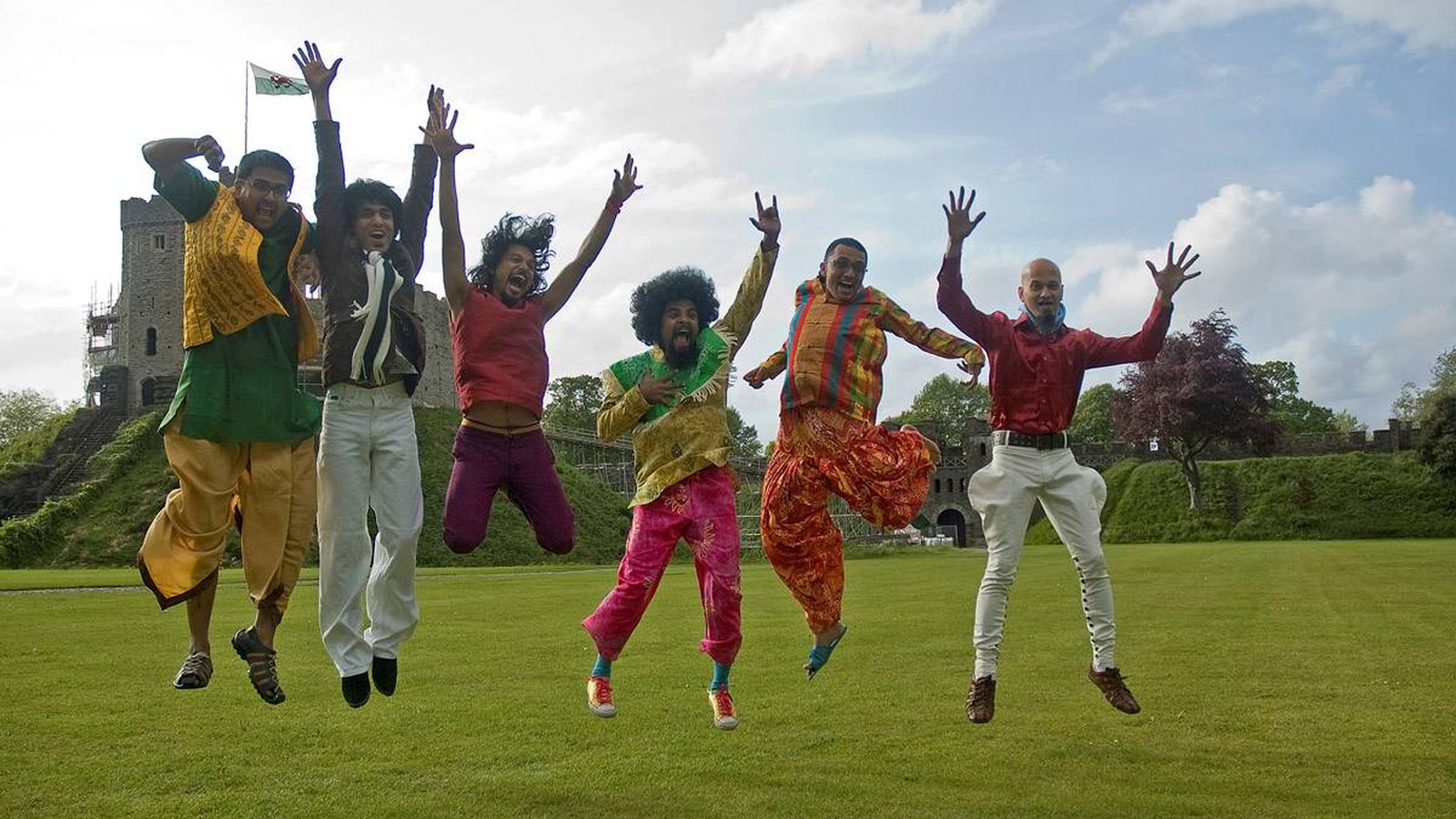
Chandrabindoo (often spelled Chandrabindu) is known for satirical, colloquial lyrics full of references to current affairs and culture. Wikipedia notes that the band is mainly popular in Kolkata and in cities such as Delhi and Mumbai with large Bengali populations, a reminder that a regional-language band can tour on the strength of its diaspora. Chandrabindoo is the band in this page's cover photo, performing at a Calcutta University alumni event in 2010.
Cactus is a Bengali rock band from Kolkata. According to Wikipedia, it has recorded five full-length studio albums and played more than 2,500 concerts in India and abroad. That concert count shows how much of a Bengali band's living comes from playing live.
Bhoomi
Bhoomi, which means "earth," formed in 1999 and calls itself an urban folk group. Wikipedia records that it performed at the United Nations headquarters in New York in July 2006 and at the Montreal Jazz Festival in 2008. Bhoomi is the clearest link between Moheener Ghoraguli's folk roots and the bands of today.
Lakkhichhara
Lakkhichhara is a Kolkata rock band, also formed in 1999. It started out playing college fests, hotels and pubs, the standard route for a Bengali band, as Wikipedia notes.
Krosswindz
Krosswindz is a Bengali rock and folk-fusion band that has played across India and abroad and has helped bring Bengal's folk music to urban audiences. Wikipedia notes that it is one of the few Kolkata-based Bengali rock bands with female lead vocalists.
The next wave: protest and crossover
Underground Authority
Underground Authority formed in Kolkata in early 2010. It mixes protest poetry, reggae, alternative rock, rap rock and hard rock, and is known for socio-political, anti-capitalist lyrics. The current line-up lists Adil Rashid, Soumyadeep Bhattacharya and Sourish Kumar. The band shows that the city's political songwriting has carried on into heavier genres.
How the Kolkata scene works
From the histories above, a few patterns stand out:
Language is the moat. Bengali lyrics build a loyal home audience and a diaspora audience in other cities. College fests are the farm system. Lakkhichhara's start in college fests, hotels and pubs is typical. Live is the business. Cactus's 2,500+ concerts point to a touring economy, not a streaming one. Folk is never far away. From "Baul jazz" to Bhoomi and Krosswindz, Bengal's folk traditions keep coming back in new forms. Film is a parallel track, not the only one. Suman and Dutt moved between film and independent work without giving up either.
A starter listening path
Moheener Ghoraguli, including the 1990s Sampadito compilations Kabir Suman's Tomake Chai Nachiketa's Ei Besh Bhalo Achi Fossils, for hard rock in Bengali Chandrabindoo, for satire Bhoomi and Krosswindz, for urban folk Underground Authority, for protest rock and rap rock
FAQ
What is a "Bangla band"?
It is the common term for Kolkata groups that write and perform original songs in Bengali, such as Fossils, Chandrabindoo, Cactus, Bhoomi and Lakkhichhara. Many of them formed in the late 1990s.
Which was the first important Kolkata rock band?
Moheener Ghoraguli, formed in 1975, is widely treated as the starting point. The band was little known in its time but has been critically re-evaluated since.
Who are the key Bengali singer-songwriters of the 1990s?
Kabir Suman, Anjan Dutt and Nachiketa are the best-documented. Each made his name with original Bengali songs rather than film music.
Is the Kolkata scene only in Bengali?
Bengali dominates, but the scene mixes genres widely, from hard rock to urban folk to rap rock with Underground Authority.
Related on Discography
Fossils: band profile Regional Rock Bands of India Indian Indie Languages The Independent Music Scene in India, 2026
Sources
Wikipedia: Moheener Ghoraguli Wikipedia: Kabir Suman Wikipedia: Anjan Dutt Wikipedia: Nachiketa Chakraborty Wikipedia: Fossils (band) Wikipedia: Chandrabindoo (band) Wikipedia: Cactus (Indian band) Wikipedia: Bhoomi (band) Wikipedia: Lakkhichhara Wikipedia: Krosswindz Wikipedia: Underground Authority Wikipedia: Lou Majaw
Cover photo: Soumikb / Wikimedia Commons (Public domain).
Discography is an independent music magazineHow to get coveredRelease music in IndiaIndian indieIndian indie bandsAbout