India now has more music festivals than any one person could attend in a year: multi-genre weekenders, metal open-airs, hill-station gatherings, rap mega-shows and international franchise events. For independent music, though, only some of them matter. A festival matters to the scene when it books Indian independent acts on purpose, gives them real slots rather than afternoon fillers, and has shaped which bands the country gets to hear.
This is an evergreen guide to those festivals. It does not list upcoming dates or lineups. Instead, this page explains what each festival is, what it has meant for Indian indie, and how to choose between them. Wherever a festival has its own page on Discography, we link it.
The founders: festivals that built the circuit
Independence Rock (Mumbai). Started in 1986 and held around Independence Day, I-Rock was for decades the closest thing Indian rock had to a national stage. Playing it meant you had arrived; bands from Parikrama to the early metal acts built reputations there. It has had gaps and revivals, but its influence on the idea of an Indian rock festival is unmatched. History: Independence Rock. Bands from that era: 90s Indian rock bands, Parikrama, Indus Creed.
College festivals. Not one event but a whole economy. IIT Bombay's Mood Indigo, Delhi University fests and engineering-college festivals across the south have paid independent bands, given them crowds and run band competitions for over three decades. Parikrama's 1995 Mood Indigo set, which led to bigger bookings, is the classic example. Our college fest gigs guide explains how it still works.
The multi-genre weekender
NH7 Weekender. Launched in 2010, NH7 Weekender did more than any other event to make "Indian indie" a recognisable category with a national audience. Its model — several stages, Indian acts given equal billing with international names, and a festival that travelled to more than one city — became the template others followed. Many of the bands on our Indian indie bands list played some of their most important early shows there. Full history: NH7 Weekender.
Why the model matters. Before multi-stage weekenders, Indian bands mostly played for rock audiences. Weekenders put a folk band, a rapper, an electronic producer and a metal band on the same site, and audiences wandered between them. That cross-pollination is one reason the 2010s scene became so genre-fluid.
The destination festivals
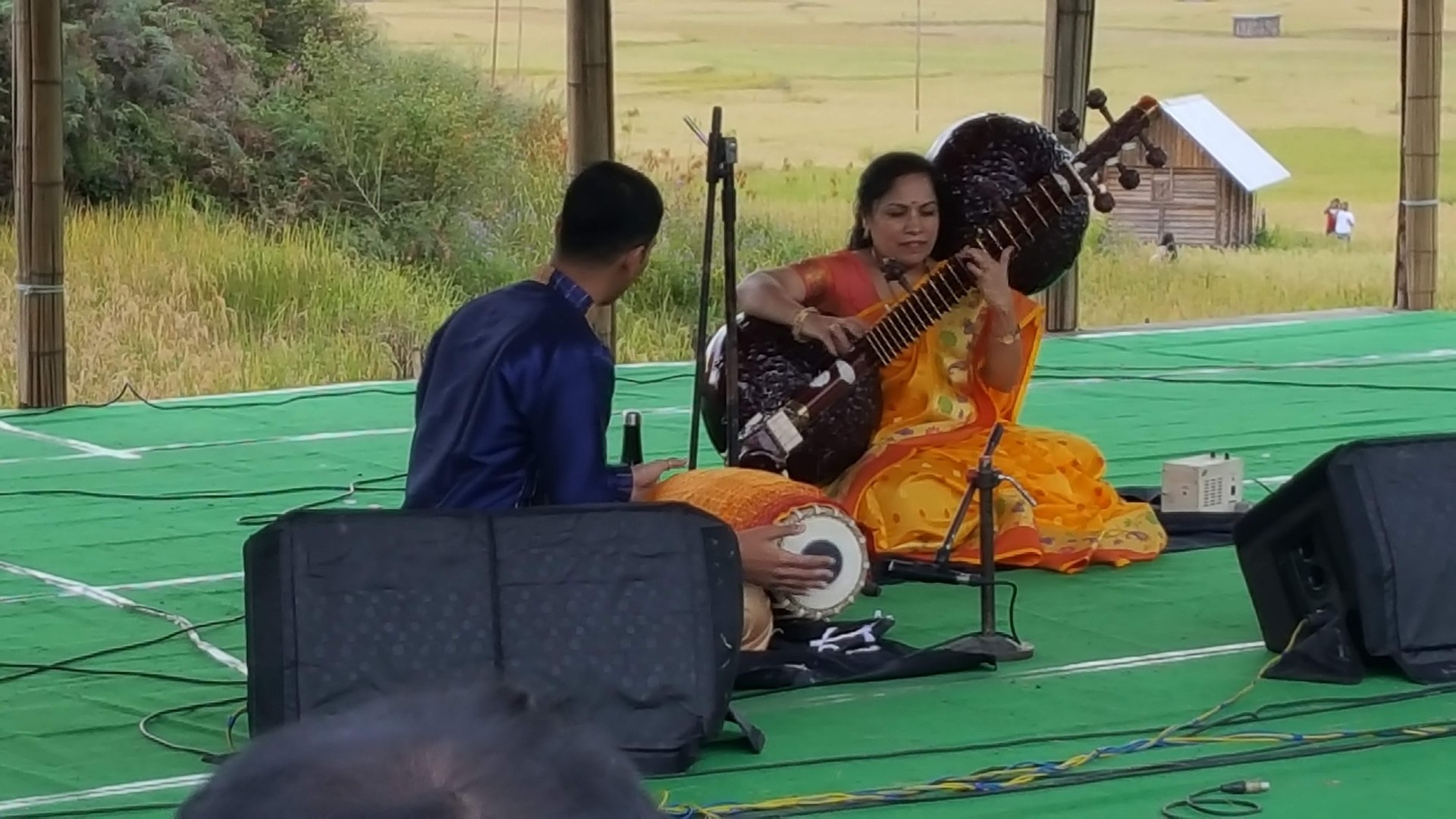
Ziro Festival of Music (Arunachal Pradesh). Held in the Ziro valley since 2012, Ziro is the festival many Indian musicians name as their favourite to play. It is small by design, built with local bamboo and the Apatani community, and booked with a strong ear for independent and Northeast Indian acts. It is the best festival in India for discovering bands you have never heard of. Context: Northeast India bands and artists.
Hornbill Festival (Kohima, Nagaland). A state cultural festival in early December, with a music component that has long showcased rock bands from Nagaland and the wider Northeast alongside traditional performance. It is the reason Nagaland is synonymous with rock in many Indians' minds. Context: Nagaland bands.
Echoes of Earth (Bengaluru). An eco-conscious festival known for sustainable production and a lineup that leans electronic, world and indie.
Goa's festival season. Goa has hosted everything from trance gatherings to large dance-music events and indie showcases. It matters for electronic music more than for bands. Context: Goa music scene.
Genre festivals
Bangalore Open Air. India's best-known metal open-air, which has brought international extreme-metal headliners and given Indian metal bands a serious festival stage. Guide: Bangalore Open Air. Bands: Indian metal bands, Indian death metal bands, Kryptos, Gutslit, Godless.
Rap festivals. The rise of Indian hip-hop has brought dedicated rap events, alongside the club nights where the scene grew up. For the artists who headline them, see best Indian rappers.
Sufi, folk and classical crossover festivals. Rajasthan in particular hosts festivals built around folk and Sufi music, where independent fusion bands share stages with traditional performers. Context: Rajasthani folk singers, Sufi rock bands, Indian folk fusion bands.
The international franchises
Lollapalooza India. The arrival of a global festival brand in Mumbai changed the scale of live music in India. For independent Indian acts, the question is always how much stage time they get beside international headliners.
Franchise festivals bring infrastructure, sponsorship and new audiences. They also tend to programme Indian acts early in the day. Whether that helps or hurts the scene is an open argument; what is clear is that the homegrown festivals above are still where most Indian indie careers are built.
A short history of the circuit
The story of Indian indie festivals runs in four phases.
1980s–1990s: the rock festival and the college fest. Independence Rock and campus festivals were the only regular stages for original rock. Budgets were tiny, sound systems borrowed, and most bands still played covers. Getting a slot was the main way an unknown band could be heard by thousands at once.
2000s: sponsors and competitions. Corporate sponsorship arrived, along with band hunts and awards such as the Jack Daniel's Rock Awards, which handed Avial six of seven prizes in 2008. Festivals began to treat original bands as headliners rather than novelties, and regional bands from Kerala, Karnataka and the Northeast began to travel.
2010s: the weekender era. Multi-stage, multi-genre festivals gave Indian independent music a national identity. Destination festivals such as Ziro proved there was an audience willing to travel for discovery rather than for famous names. Electronic and hip-hop acts moved from side stages to main stages, a shift you can hear in the careers of Nucleya, Ritviz and Seedhe Maut.
2020s: shutdown and scale. The pandemic stopped live music for almost two years and pushed artists toward paid livestreams. The return brought bigger events than ever, including international franchises and dedicated rap festivals, alongside the homegrown festivals that survived. The open question now is whether the biggest stages will keep making room for new Indian acts.
Practical tips for festival-goers
Book travel and stays early for destination festivals; Ziro and Hornbill in particular are in places with limited accommodation and long journeys. Check whether a festival is cashless and which payment methods it accepts. Carry rain gear for hill-station events. Read the schedule before you arrive and mark one or two acts you have never heard of; that is where festivals pay off. And respect local rules — several festivals sit inside communities whose cooperation makes the event possible.
How to choose a festival
If you want discovery: Ziro. Small, slow, full of bands you will not hear anywhere else.
If you want the biggest Indian indie names in one place: a multi-genre weekender in the NH7 mould.
If you want metal: Bangalore Open Air.
If you want rap: the dedicated rap events, then city club nights.
If you want culture as well as music: Hornbill, where music sits inside a much larger festival of Naga heritage.
If you are on a budget: college festivals and city gig nights. Our live gigs and venues guide covers the rooms.
What festivals mean for artists
For an independent act, a festival slot is more than one gig. It brings a fee, a bigger audience than most club shows, press attention, and — at events like Ziro and multi-genre weekenders — the chance to be booked by other promoters who are in the crowd. That is why showcase applications are competitive. Our guides to festival and showcase applications, stage plots and tech riders, gig contracts and planning a tour cover the practical side.
For listeners, festivals are the best way to understand how varied the scene has become. In a single day you might see Hindi alt-rock, Kashmiri psych, Tamil rap and Malayalam folk-metal. Our best Indian live bands page is a good primer on who to prioritise.
Bands that festivals made
Some acts are inseparable from the festival stage. Thaikkudam Bridge built a reputation for huge, celebratory sets. The Raghu Dixit Project took Kannada folk-rock from Indian festivals to international ones. When Chai Met Toast became a festival favourite through singalong shows. Bloodywood went from viral videos to international festival stages. Swarathma made theatrical live performance part of the band's identity. If you want to hear why, start with their studio records — Navarasam, Shakkar, When We Feel Young (2021), Rakshak, Raah-e-Fakira — then catch them live.
Common questions
What is the best indie music festival in India? For discovery and atmosphere, most musicians name Ziro. For scale and variety, the multi-genre weekenders. For heritage, Independence Rock.
When are Indian indie music festivals held? Most run between October and March, when the weather allows open-air events. Check each festival's official channels for dates.
Can independent artists apply to play? Many festivals accept applications or run showcase programmes. Start with our showcase applications guide.
Discography is an independent music magazineHow to get coveredRelease music in IndiaIndian indieIndian indie bandsAbout