Print magazines in India are not dying. They are shrinking into a premium product, while digital takes the reach. The numbers say both things at once: Indian magazine revenue has been flat at about ₹7 billion for three years, while digital media has become the biggest segment of Indian media. Which format "wins" depends on whether you are a reader, a publisher or an advertiser, and on what kind of magazine you mean. For music magazines, the argument ended in 2018.
Here is the evidence, and our verdict for each side.
The numbers: a flat print business inside a growing digital one
The FICCI–EY media and entertainment reports track magazine revenue separately from newspapers (here is the difference between a magazine and a newspaper). Their figures, in ₹ billion, gross of taxes:
| Year | Magazine revenue | Newspaper revenue |
|---|---|---|
| 2020 | 5.0 | 184.9 |
| 2021 | 6.7 | 220.5 |
| 2022 | 6.9 | 243.6 |
| 2023 | 7.0 | 252.3 |
| 2024 | 7.0 | 252.6 |
Magazines recovered from the pandemic dip and then stopped. In 2024 the whole print segment was ₹259.6 billion, still only 88% of its pre-COVID revenue. Advertising grew 0.7% and circulation revenue fell 1.2%. Digital revenues remained under 5% of print companies' total revenue.
Meanwhile, digital media grew 17% to ₹802 billion in 2024 and overtook television, which had been India's largest media segment for 20 years. That is the context every magazine publisher in India is working in: a small, stable print business next to a giant, growing screen.
Who still reads print magazines in India
The last full national Indian Readership Survey, IRS 2019, found magazine readership growing, not falling: 8.7 crore readers in IRS Q1 2019, 0.9 crore more than in IRS 2017, or 8% of the population the survey measures. Urban readership was 13%, rural 5%.
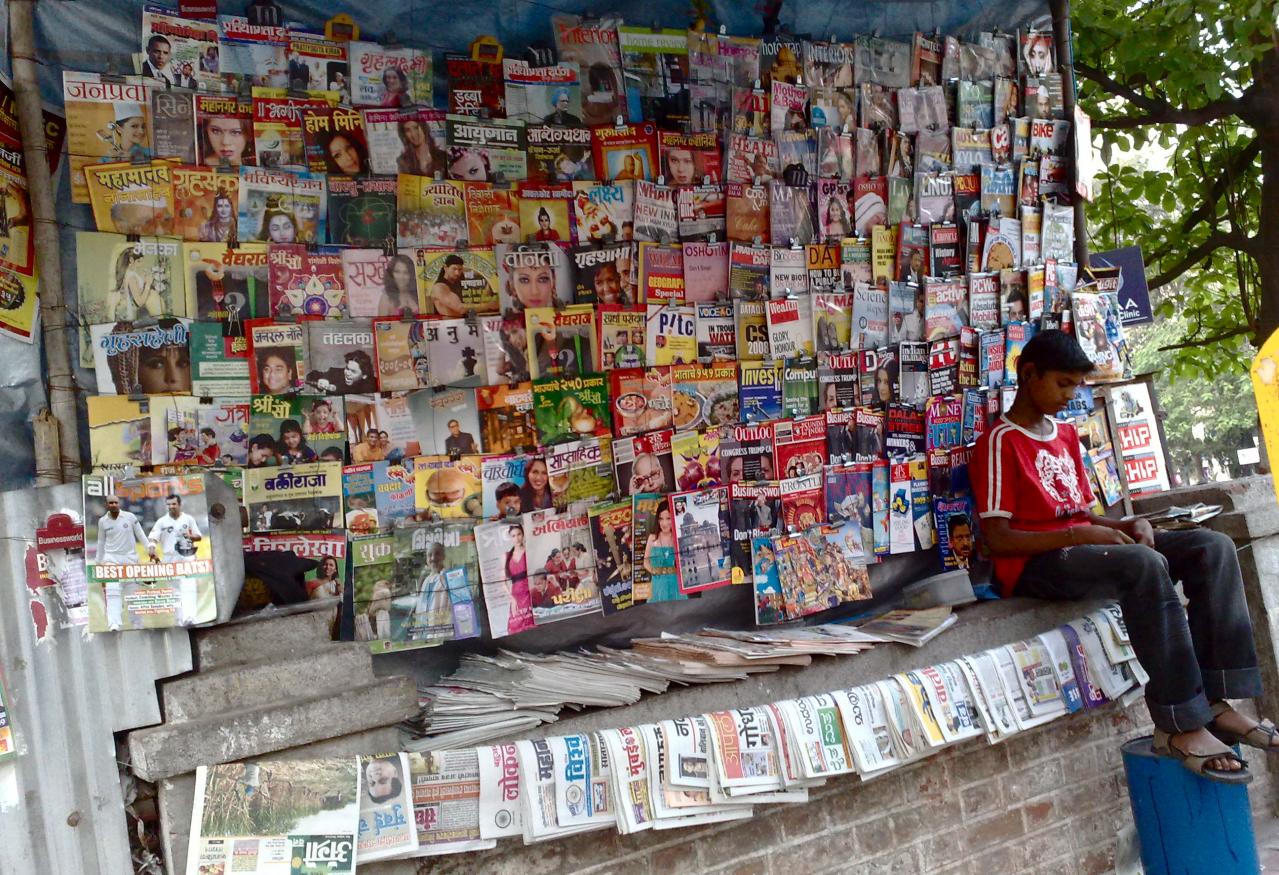
The most-read titles explain why. News weeklies sat next to competitive-exam and general-knowledge magazines and regional-language family titles. Print magazine readers in India are disproportionately aspirants, families and non-metro readers, which is also why FICCI–EY describes print as a "go-to" medium for affluent and non-metro audiences.
That picture is six years old. On 6 November 2026, the Media Research Users Council India announced it is reviving the IRS after a six-year gap, and that the new survey plans to measure digital readership across apps, e-papers, websites and online editions alongside print. For the first time, Indian publishers should get one survey comparing print and digital audiences side by side.
Print vs digital at a glance
| Digital | ||
|---|---|---|
| Cost to the reader | Higher: India Today's print + digital plan listed at ₹1,999/year (52 issues) | Lower: India Today digital listed at ₹79/month |
| Reach | Limited by distribution and stalls | Anyone with a phone |
| Speed | Weekly to monthly | Same day |
| Search and sharing | None | Built in |
| Archive | Your shelf | Searchable, if the publisher keeps it |
| Design | The whole point | Often compromised on phones |
| Advertising | Premium formats still growing slowly | Biggest share of new ad money |
| Trust | Seen as more trustworthy in 2025 research | Depends on the publisher |
Prices were checked on 14 November 2026; both India Today offers were marked as limited-period.
What print still does better
Trust and attention. Wikipedia's summary of recent industry research notes that, in 2025, print magazines were seen as more trustworthy and as carrying better-quality journalism. A printed issue has an edge on attention: it ends. You can finish it.
Premium advertising. FICCI–EY found print ad revenue still growing in 2024 on the back of premium formats, with brands in real estate, autos, luxury and phones using print for launches. That is why publishers keep printing even when circulation slips.
Objects people keep. When Rolling Stone India stopped its monthly print edition, it kept collector's special issues on subjects with a long shelf life, sold in bookstores. Print survives best as something worth keeping.
Bundles. Indian publishers now sell print as part of a bundle rather than on its own. India Today's ₹1,999 annual plan pairs 52 print issues with digital access; Outlook sells 26 print issues a year at ₹1,799 and offers digital separately.
What digital does better
Reach and cost. No paper, no trucks, no unsold returns. Rolling Stone India's publisher wrote in 2018 that several times more of its content was read on digital platforms every day than in print each month, and that two-thirds of website readers came through smartphones.
Distribution that works. Journalist Amit Gurbaxani, writing in 2018, described buying Rolling Stone India every month from a Mumbai shop that ordered it specially for him. When it shut, getting a copy meant a trip to a Crossword that would only stock it by the third week of the month, by which time the content was already online. That is the print problem in one paragraph.
Scale of choice. Magzter says its GOLD plan offers unlimited access to more than 10,000 magazines and newspapers. No stall can stock that.
Search. A print feature is read once. A web article that answers a question keeps finding readers for years.
Why music magazines went digital first
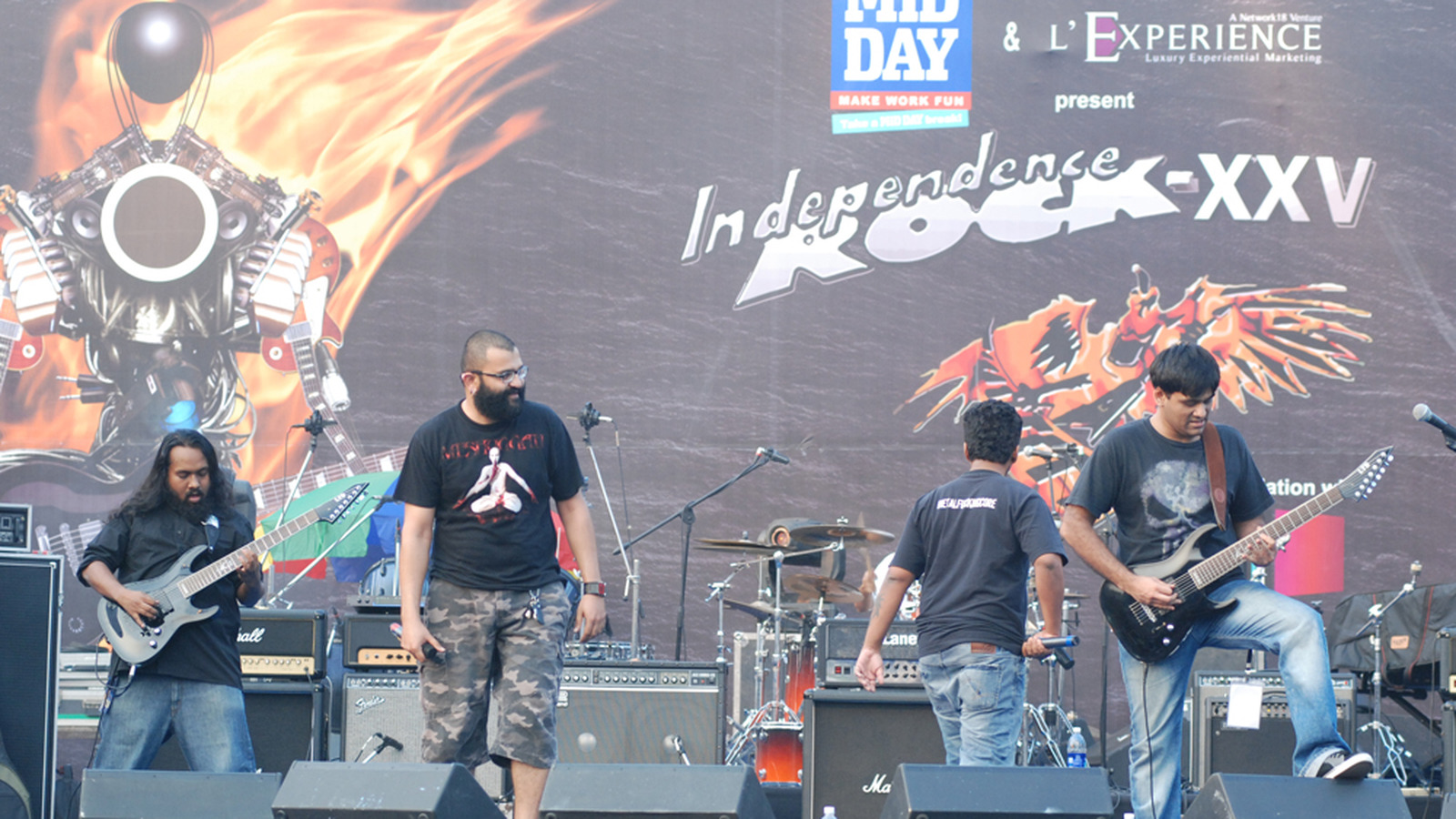
Music is the clearest case. India's founding music magazine, Rock Street Journal (1993), had a print run of more than two decades and now works as a website and an events company. Rolling Stone India ended its monthly print edition in July 2018. Gurbaxani's 2018 history runs through a shelf of Indian music magazines no longer in circulation: The Record, Rave, the Indian Blender, Soundbox, an Indian DJ Mag. By then, he wrote, Chennai's The Score was likely to be the last print music magazine of its kind standing.
The reasons are structural. Music moves at streaming speed, a review is more useful with a play button next to it, and readers of music coverage skew young and mobile. A monthly printed review of a single released five weeks earlier is a hard sell.
Discography, the independent music magazine publishing this piece, is digital-first for those reasons. We publish reviews and scene reporting on the web, as they happen, and bring the month together in a monthly issue: the editor's selection that gives a web magazine the shape of a magazine. For the wider field, see our guide to music magazines in India and the ranked top music magazines in India.
Our verdict
For readers: pay for print only for the magazine you read cover to cover, or the one you want on your shelf. For everything else, go digital. Our guide to reading magazines online in India lists the legal options and what they cost.
For publishers: digital is the default; print is a premium product, an annual, a collector's edition or a bundle. Plan revenue on events, sponsorship and memberships, not newsstand sales. If you are starting from scratch, read how to start a music magazine in India.
For music magazines: the question is settled. Digital first, with print as an event.
If you want the basics behind all this, start with what a magazine is, or browse the best magazines in India by category.
Discography itself is a digital-first music magazine with monthly issues, which is the model this piece argues for.
Frequently asked questions
Are print magazines dying in India?
No, but they are not growing either. FICCI–EY puts Indian magazine revenue at ₹7.0 billion in both 2023 and 2024, and print as a whole at 88% of its pre-pandemic revenue. Print is shrinking into a premium, bundled product rather than disappearing.
Is a digital magazine better than a print magazine?
For reach, price, speed and search, yes. For design, attention, collectability and, according to 2025 research, perceived trust, print still has the edge. Most readers are best served by digital, with print for one or two favourite titles.
What is the difference between a digital magazine and an e-magazine?
People use both for the same thing. Strictly, an e-magazine or digital edition is a page-for-page copy of the print issue; a digital-first magazine publishes natively on the web, article by article.
Which Indian magazines are digital-only?
Rolling Stone India dropped its monthly print edition in July 2018 and became a digital magazine, with occasional printed special issues. Most Indian music magazines, including Discography, publish online only.
How many Indians read magazines?
In IRS Q1 2019, the last full national survey, 8.7 crore Indians read magazines, about 8% of the population the survey measures. A revived IRS announced in November 2026 will measure print and digital readership together.
Is print or digital better for advertisers in India?
Digital takes most new ad money; it became India's largest media segment in 2024. Print still wins premium launches for categories like real estate, autos, luxury and phones, according to FICCI–EY.
Sources
- FICCI–EY M&E Report 2025, "Shape the future" (magazines 6.9/7.0/7.0 bn 2022–24; newspapers; print 259.6 bn, 88% of pre-COVID; ad +0.7%, circulation −1.2%; premium formats; affluent and non-metro)
- FICCI press release, 27 March 2025 (digital media +17% to ₹802 bn, overtakes TV after 20 years; print digital revenues under 5%)
- EY–FICCI report 2023, "Windows of opportunity" (magazines 5.0/6.7/6.9 bn 2020–22; newspapers 2020–21)
- MRUC — Indian Readership Survey Q1 2019 (8.7 crore magazine readers, +0.9 crore; 8%; urban 13%, rural 5%)
- MRUCI press release, 6 November 2026 — IRS revival, digital readership measurement
- India Today — Print + Digital subscription (₹1,999/year, 52 issues; regular ₹3,299)
- India Today — Digital subscription (₹79/month)
- Outlook — Subscription page (26 issues/year; ₹1,799 print)
- Wikipedia — Magazine (2025 research: print seen as more trustworthy)
- Rolling Stone India — "A Letter to Our Readers" (July 2018)
- Firstpost, Amit Gurbaxani — short history of Indian music magazines (2018)
- Magzter — About us (GOLD, 10,000+ titles)
Discography is an independent music magazineindependent music magazines in IndiamagazinesHow to get coveredRelease music in IndiaIndian indieIndian indie bandsAbout