Starting a music magazine in India is easy. Keeping one alive is the job. The history of the Indian music press is mostly a list of good titles that shut: Indian editions of foreign brands that lasted a few issues, glossy monthlies that chased film stars onto the cover, trade magazines that could not find a business. The ones that survived worked out early who they were for and how they would pay for it.
We are writing this as Discography, an independent music magazine run from Jaipur. This is the playbook we would hand a friend: the paperwork, the editorial decisions, the money, and the mistakes the Indian music press has already made so you do not have to.
Making a magazine for your school or college rather than a music title? Our guide to the school magazine covers the team, the sections and a one-term timeline.
Step 1: Decide what kind of music magazine you are
Before a logo, before a domain, answer three questions in one sentence each.
- Who is the reader? "Music fans" is not an answer. "Listeners of Indian independent rock and metal who want criticism, not press releases" is.
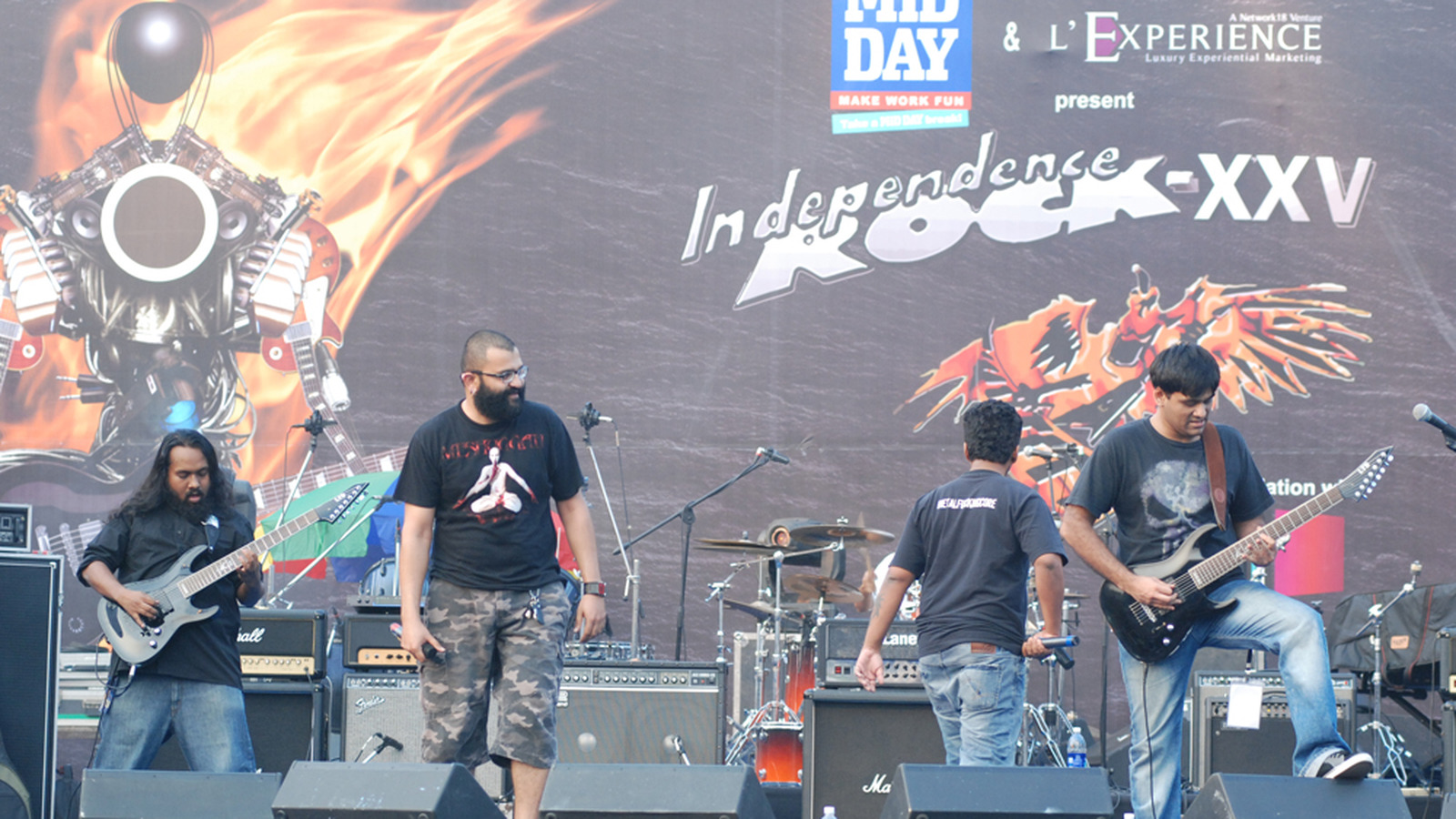
- What is the beat? A genre, a city, a language, a scene, or the business. Rock Street Journal, India's founding music magazine, started in 1993 around rock and metal and built the country's rock scene through coverage and its Great Indian Rock festival. Music Plus and Radioandmusic.com chose the business side instead. Both are valid; mixing them badly is not.
- What will you do that a playlist cannot? Reviews with an opinion, reporting, interviews, history. If your plan is "share new releases", Spotify already does that.
The magazines that drifted died. Journalist Amit Gurbaxani's 2018 history of Indian music magazines notes that the Indian Blender had switched from international pop stars to Bollywood film stars on the cover by its 10th issue, and closed in 2009 when the US flagship did. An Indian DJ Mag in 2012 printed perhaps only a couple of issues. Know your reader and stay with them.
Read the existing field before you join it. Our top music magazines in India ranks ten current publications, and the guide to music magazines in India explains what makes one genuinely independent.
Step 2: Print, digital, or both
Print is a statement; digital is a business. The FICCI–EY media report put Indian magazine revenue at ₹7.0 billion in 2024, flat on 2023, while digital media grew 17% to ₹802 billion and became the country's largest media segment. Indian print overall was still at about 88% of its pre-pandemic revenue.
Rolling Stone India made the call in July 2018. Its publisher wrote that several times more of its content was read on digital platforms every day than in print each month, and that two-thirds of web readers arrived by smartphone. It stopped the monthly print edition and kept occasional collector's specials. Wild City went the other way from the start: it launched in 2011 as an online music magazine covering Indian and international alternative music.
Our advice: launch digital-first. Add print later as a special edition or an annual, when you know what your readers will pay for. We compare the formats in detail in print vs digital magazines in India.
Step 3: The paperwork
This is where most guides go vague. Here is what the law actually says, as of November 2026. It is not legal advice; speak to a lawyer or CA for your case.
If you print: register with PRGI
The Press and Registration of Periodicals Act, 2023 came into force on 1 March 2024 and replaced the old RNI process with the Press Registrar General of India (PRGI) and its online Press Sewa Portal. The Act covers periodicals that are published and printed at regular intervals.
The process, per PRGI:
- The owner creates an account on the Press Sewa Portal and proposes one or more titles, the place of publication and the language. Titles must follow PRGI's title guidelines; the Act bars a title that is the same as or similar to one already held in the same language anywhere in India, or in any language in the same state.
- The owner appoints a publisher, who fills in the registration form and names a printing press. The press must already have its own Press Sewa account.
- The publisher pays a ₹1,000 processing fee and gets an Application Reference Number. There is a five-day window to correct the form.
- The application goes to PRGI and to the "specified authority" (usually the District Magistrate) in the state, which has 60 days to give comments or a no-objection.
- PRGI issues a digital certificate of registration.
Then the clock starts. Under the Act, if you do not publish within 12 months of the end of the month in which the certificate was issued, PRGI may cancel the registration and withdraw the title.
If you are online-only: read the IT Rules
The PRP Act is written for printed periodicals. Online publishers have a different framework: the Information Technology (Intermediary Guidelines and Digital Media Ethics Code) Rules, 2021. According to the Ministry of Information and Broadcasting's FAQs, these apply to publishers of news and current affairs content, including online papers, news portals and entities performing similar functions, as a systematic business activity. Such publishers must follow the Press Council of India's norms of journalistic conduct, set up a grievance mechanism with a Grievance Officer based in India, and reply to complaints within 15 days.
Whether a pure review-and-interview music site counts as "news and current affairs" is a question for your lawyer. Our view: behave as if it does. A public corrections policy and a contact for complaints cost nothing and make you more credible with readers and artists.
ISSN: optional, free, useful
An ISSN identifies your magazine in library and citation systems. India's ISSN National Centre at CSIR-NIScPR assigns them free of charge, and processing takes at least 30 working days. Online publications are assigned an ISSN only after the first issue is out, and it must have at least five articles, each separately hyperlinked. Your publisher name and full Indian postal address must appear on the site.
Company and tax
You do not need a company to start writing. You will need one, or at least a formal structure, once you take ad money, sign brand deals or employ people. Discography is published by a private limited company, NEXOVE PRIVATE LIMITED, and lists its CIN and registered address on its About page. Put your publisher details on yours.
Step 4: Write the rules before you write the reviews
An independent music magazine is only as good as the rules it publishes and keeps. Write these down on day one:
- Coverage is not for sale. No paid reviews, no "feature fee". Say so publicly. Sites that charge artists for coverage exist in India; be the one that does not.
- Disclosures. If an editor is related to, managed by or plays with an artist, say so in the article and step back from the decision. Discography's founder fronts a band; every piece about it carries a disclosure, and he recuses himself. Our editorial policy spells it out.
- Sourcing and corrections. Check every release date, credit and quote against a primary source, link it, and correct mistakes in public.
- Submissions. Give artists one clear, free way to send music. Ours is submit. Tell them what you need: a private stream, credits, a release date, press photos and an EPK. Our guides to the electronic press kit and how to pitch music blogs are what we wish every pitch followed.
Step 5: Build the editorial engine
A music magazine needs a rhythm readers can trust. A workable starting mix for a small team:
- Reviews of singles, EPs and albums, with a clear opinion and a reason.
- Profiles that trace an artist through their records, collaborators and cities.
- Scene and city guides, because readers search for "bands in Bengaluru" more than for any single band.
- Lists with judgement, not lists of names.
- A monthly issue, an editor's selection of the month's essential stories. It gives a web magazine the shape of a magazine. Ours lives at issues.
Publish on a schedule you can keep for a year, not one you can keep for a month.
Step 6: Make money without selling the reviews
The surviving Indian music titles did not live on cover price. Gurbaxani's history shows Rock Street Journal running festivals and now working as a website and an events company, and Rolling Stone India hosting award ceremonies. The FICCI–EY report found organised live events in India grew 15% in 2024 and crossed ₹100 billion for the first time. Events are where music media money is.
Realistic revenue lines for an independent music magazine:
- Display and sponsorship on the site and newsletter, clearly labelled.
- Events: showcases, listening sessions, panels. They also feed your coverage.
- Branded content, marked as such and kept away from reviews.
- Membership or a print annual once you have readers who would miss you.
- Services to the industry only if they do not compromise coverage. Running a PR desk for the artists you review does.
The Score, which its founders describe as starting from a Chennai coffee-table magazine before becoming a pan-genre music title, is a reminder that formats can change as long as the reader stays the same.
Step 7: Get read
Search is the long game. Write the definitive page on your beat, link your own archive generously, and keep old pieces updated. Social posts bring spikes; search brings readers back. Tag the artists you write about so they share the piece. And send your best work to the people who already curate music in India: playlists, festivals, other magazines. Our list of music magazines is a good map of who to read and learn from.
Want to see one running? Our issues, masthead and editorial rules are all linked from our magazine page.
Frequently asked questions
Do I need to register an online music magazine in India?
PRGI registration under the Press and Registration of Periodicals Act, 2023 is for printed periodicals. An online-only publisher of news and current affairs falls under the IT Rules, 2021 instead, with a code of ethics and a grievance officer. Get legal advice for your specific case.
How much does PRGI registration cost?
The processing fee is ₹1,000, paid on the Press Sewa Portal when the publisher submits the application.
Is an ISSN mandatory for a magazine?
No. It is an optional identifier, assigned free by the ISSN National Centre in India. Online magazines can apply only after publishing a first issue with at least five articles.
Can a music magazine make money in India?
Yes, but rarely from cover price. Events, sponsorship, branded content and memberships pay the bills. Selling reviews to artists is the fastest way to lose the readers who make the magazine worth sponsoring.
Should I start a music magazine in print or online?
Online. Indian magazine revenue was flat at ₹7.0 billion in 2024 while digital media grew 17%, and Rolling Stone India went digital-only in 2018. Add print as a special edition once readers ask for it.
What makes a music magazine independent?
No paid coverage, published conflict-of-interest rules, editorial decisions made by editors alone, and public corrections. Discography's editorial policy is one model.
Sources
- Press Registrar General of India — Registration of Periodicals
- Press and Registration of Periodicals Act, 2023
- ISSN National Centre India — Guidelines
- JMAGC — FAQs on IT Rules 2021
- FICCI–EY M&E Report 2025 — Shape the future
- FICCI press release, 27 March 2025
- Rolling Stone India — A Letter to Our Readers
- Firstpost, Amit Gurbaxani — History of Indian music magazines
- afaqs! — Wild City launches
- Humans of Madras — The Score founders
- Music Plus — About
- Discography — About
Discography is an independent music magazineindependent music magazines in IndiamagazinesHow to get coveredRelease music in IndiaIndian indieIndian indie bandsAbout