Key facts
- EPK order: An EPK should lead with three to five best songs, then bio, photos, video, press, highlights, contacts and live info.
- Bio lengths: Bio lengths: 50-100, 150-250 and 300-500 words.
- Photos: Photos: at least one headshot and one live shot, web and print sizes, credited.
- Coverage links: Discography asks artists to link coverage from their EPK and website.
- Pitch essentials: Orphiq lists a website or EPK link among pitch essentials.
An electronic press kit (EPK) is a single link that gives journalists, bookers, playlist curators and labels everything they need to cover or book you: your three to five best songs at the top, a third-person bio in three lengths, three to five high-resolution photos, one to three videos, press quotes, dated highlights, contacts and, for live shows, a stage plot and tech rider. A page on your own website or a shared Google Doc is enough to start. This guide breaks down each section, how Indian independent artists should use an EPK when pitching blogs and festivals, and the mistakes to avoid.
More facts
- Plastic's EPK guide recommends music first (three to five best songs), a bio in three lengths, three to five photos, one to three videos, press quotes, highlights, contacts, live info and downloads.
- The three bio lengths suggested are 50 to 100 words for social profiles and playlist pitches, 150 to 250 words for press and industry, and 300 to 500 words for your website and EPK.
- Photos should include at least one headshot and one live shot, in portrait and landscape, in web and print sizes, with photographer credits.
- Discography's submission page asks artists to link coverage from their EPK and website, and requests press photo and artwork links with each submission.
- Orphiq's blog submission guide lists a website or EPK link among the essentials of a pitch email.
What an electronic press kit is for
Different readers open your EPK looking for different things. Plastic's guide sums it up: venues and promoters want to know you can play and bring people, so they look for live video and past shows; journalists and bloggers want the story and the files, including a bio they can paste and photos they can print; playlist curators and radio want the music at the top; labels and managers want the music, your look and what you have done so far.
That is why an EPK beats a pile of attachments. LOUD WOMEN's DIY guide to blog coverage warns that attachments increase the risk of your email being swallowed by a spam filter, and asks artists to send links instead. One EPK link in your pitch solves that.
What to include in an electronic press kit
1. Music
Put your three to five strongest songs at the top, best first. Plastic cites Musicians Institute's observation that listeners may decide within 30 to 60 seconds. Link released songs to streaming services; for unreleased music use a private link. If you are about to release, add the date and pre-save link.
2. Bio in three lengths
Write in the third person, using your name instead of "I" or "we", so press and bookers can paste it as it is. Plastic, drawing on Bandzoogle's advice, suggests three versions:
- Short, 50 to 100 words: social profiles and playlist pitches.
- Medium, 150 to 250 words: press and industry.
- Full, 300 to 500 words: your website and EPK.
Start all three the same way: who you are, what you sound like and where you are from. Then add what is new. The medium bio adds how you started, who you work with and two or three real highlights; the full bio adds the story behind the new release, upcoming plans and a press quote or two.
3. Photos
Three to five professional, high-resolution photos, with at least one headshot and one live shot, in both portrait and landscape. Offer a web size and a print size, put the photographer's name next to each photo so press can credit them, and include the cover art of your latest release. Discography's submission form, like most Indian outlets, asks for press photo and artwork links, so have these ready before you pitch.
4. Video
One to three videos embedded on the page. For bookers, live footage comes first; a well-shot live session often does more than an official music video.
5. Press quotes
Short quotes, each with its source. Once a blog covers you, add it. Discography asks artists to share coverage and to link it from their EPK and website.
6. Highlights
Real, dated facts: festival slots, chart or playlist placements, notable shows, collaborations, sync placements. Plastic's guide stresses that highlights should be real facts with dates. Vague claims such as "rising star" carry no weight with a booker.
7. Shows
Upcoming dates with ticket links, and a handful of your best past shows. Bookers want proof you can draw a crowd.
8. Contacts
One email per role: management, booking, press and label, if you have them. If you handle everything yourself, use one clear address and say what it is for.
9. Live information
For live bookings, include a stage plot (a top-down diagram of who stands where), an input list and a tech rider. Plastic notes that LiveEPK offers a free stage plot maker and tech rider builder that work without an account.
10. Downloads
One folder with the photos, logo, cover art and all three bios, plus a PDF of the whole kit for people who want a file. Keep the folder link public and test it in a private browser window.
Where your EPK should live
Plastic's guide lists three options: a page on your own website, a Google Doc, or a dedicated EPK builder. A page on your site is best for search and branding; a Google Doc is the fastest and free; builders such as Bandzoogle offer separate layouts for different audiences. Whichever you choose, the link should open instantly on a phone, without a login.
How Indian independent artists use an EPK
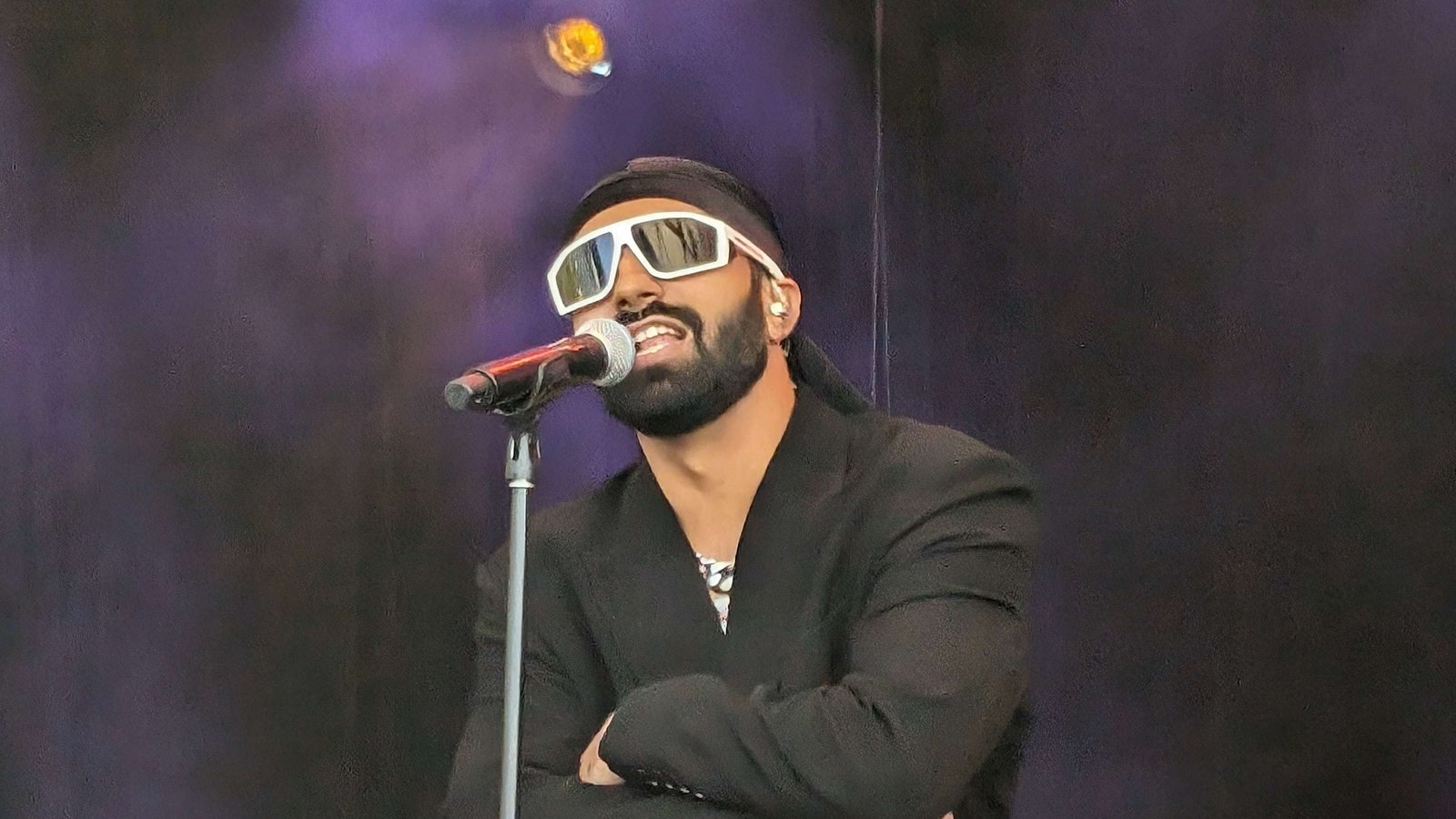
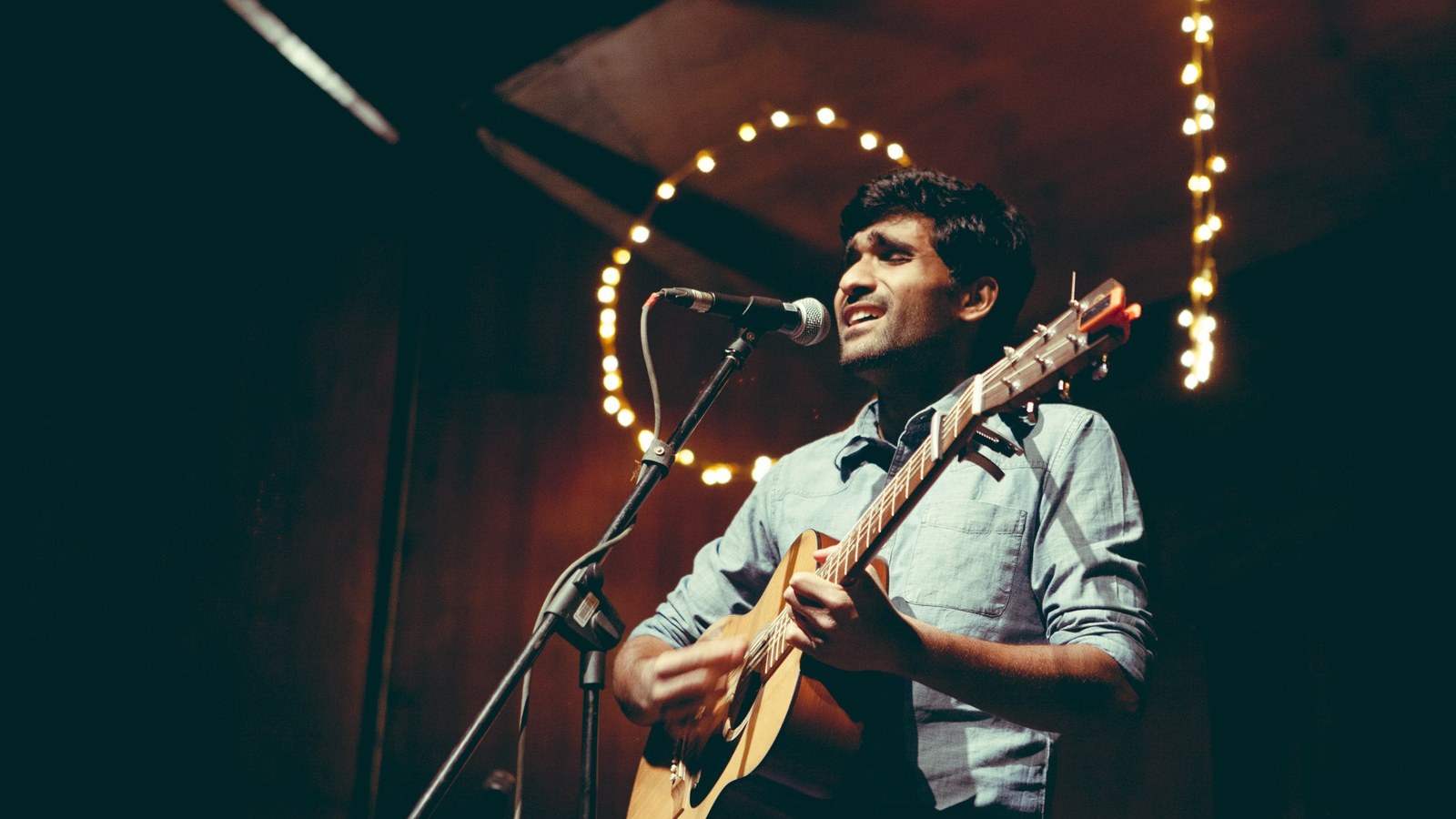
For India's independent artists, the EPK is the backbone of every pitch: blogs and magazines, editorial playlists, festival bookers and international showcases. Prabh Deep, the Delhi rapper and producer pictured on this page, performed at SXSW Sydney in October 2024, according to his Wikipedia page, which also traces his years with Azadi Records and his later departure from the label. International showcases and festivals typically ask for press materials, live video and highlights, which is exactly what a well-kept EPK supplies. Artists moving between labels or going fully independent also need an EPK they control rather than one that lives on a label's site.
If you are releasing on your own, pair your EPK with a clear distribution plan; our guides to releasing music without a record label and music distribution in India cover that. For streaming, link the EPK in your Spotify playlist pitching outreach to curators.
Electronic press kit checklist
- Three to five songs at the top, strongest first.
- Third-person bio in 50 to 100, 150 to 250 and 300 to 500 word versions.
- Three to five photos, headshot and live, portrait and landscape, web and print sizes, credited.
- Latest cover art.
- One to three videos, live first.
- Press quotes with sources.
- Dated highlights.
- Upcoming and past shows.
- One contact email per role.
- Stage plot, input list and tech rider.
- Download folder and a PDF copy.
Common EPK mistakes
- Burying the music below a long bio.
- Writing the bio in the first person, so press cannot paste it.
- Low-resolution or uncredited photos.
- Broken or permission-locked download links.
- Out-of-date shows and highlights.
- Sending the EPK as a large email attachment instead of a link.
FAQ
What should be in an electronic press kit?
Your best three to five songs, a third-person bio in three lengths, three to five high-resolution photos, one to three videos, press quotes, dated highlights, shows, contacts, live tech information and a download folder.
How long should an EPK bio be?
Keep three versions: 50 to 100 words for social and playlist pitches, 150 to 250 words for press, and 300 to 500 words for your website and EPK.
Can I make an EPK for free?
Yes. Plastic's guide says a page on your own site or a Google Doc is enough to start, and free tools exist for stage plots and tech riders.
Should I send my EPK as a PDF?
Send a link. LOUD WOMEN warns that attachments raise spam-filter risk. Plastic suggests including a PDF copy inside the EPK's download folder for people who want a file.
Sources
- Plastic, "EPK for musicians: what to include, examples, template"
- Discography, Submit Your Music
- Orphiq, "Music Blog Submissions: What to Send, When, and to Whom"
- LOUD WOMEN, "DIY Guides #6: How to get your music featured on blogs"
- Wikipedia, "Prabh Deep"
Cover photo: Shanshansan / Wikimedia Commons (CC BY-SA 4.0).
Sources
Discography is an independent music magazineHow to get coveredRelease music in IndiaIndian indieAbout