Key facts
- Submission form: Discography's submission form asks for streaming link, release date, full credits, 2-3 lines and press photo/artwork links.
- Lead times: Pitch reviews 2-3 weeks and premieres 3-4 weeks before release, in under 150 words.
- Notice: LOUD WOMEN asks for a month's notice for albums, a week or two for singles, and warns against attachments.
- Email submissions: Wild City takes music submissions at [email protected].
- Fees: Findie lists a one-time ₹499 fee for an India artist feature.
To submit music to blogs in India, pick outlets that already cover your genre, find each one's published submission route (a form or a dedicated email), and send a short, personalised pitch two to four weeks before release with a private streaming link, a two-line description, full credits and links to press photos and artwork, never attachments. Follow up once, about a week later. That is the whole process; the rest of this guide explains each step, which Indian blogs take submissions, what they ask for, and the mistakes that get pitches ignored.
More facts
- Discography's submission page asks for artist name, city, release title, email, a streaming or private link, release date, label (or independent), full credits, two to three lines about the release, and press photo and artwork links.
- Orphiq recommends pitching two to three weeks before release for reviews and three to four weeks for premieres, keeping the pitch under 150 words.
- LOUD WOMEN asks for about a month's notice for an album or EP and a week or two for a single, and warns that attachments raise the risk of spam filtering.
- Wild City takes music submissions at [email protected]; Desi Hip Hop runs a submissions form plus [email protected].
- Findie lists a one-time ₹499 publication fee for an India artist feature, while Discography says it never charges for coverage.
Before you submit anything
Blogs cover releases, not artists in the abstract. Discography's own submission page, for example, says it accepts music that is released or has a confirmed release date, one release per submission. LOUD WOMEN, a UK collective whose DIY guide is one of the clearest on this subject, goes further: it features music on or very close to release day, and if your music is already out, it is too late for them.
So start with a release plan. Lock the date, deliver to your distributor early, and line up your streaming pitch at the same time. Our guide to releasing music without a record label covers the distribution side, and our explainer on Spotify playlist pitching in India covers editorial playlists.
How to submit music to blogs in India, step by step
1. Build a target list by genre
Generic blasts fail. A rap single belongs with Desi Hip Hop; an electronic EP fits Wild City; a business story suits Radio and Music, which describes itself as India's first website dedicated to radio and music and focuses on the industry. Read a few recent posts on each site before adding it to your list. Orphiq's guide makes the same point: find publications that cover your genre before you write a word.
2. Find each blog's published submission route
Use the route the outlet publishes, not an editor's personal inbox:
- Wild City: [email protected] for promos and music submissions.
- Desi Hip Hop: a submissions form, with extra information to [email protected]. The site says it listens to everything but cannot always reply.
- Savaal Magazine: a "Get Featured!" form for musicians.
- Apollo's Harp: a Submit tab on its site.
- Discography: a free submission form at discography.in/submit.
- The Indian Music Diaries: an editorial address on its contact page.
3. Check what the outlet charges, if anything
Some sites sell features. Findie, for example, states a one-time publication fee of ₹499 for an India artist feature. Discography's submission page says submitting is free, that it never charges for coverage, and that anyone asking you to pay for a Discography review is not from the magazine. Neither model is hidden, but you should know which one you are using: a fee-based feature is a service, not independent editorial coverage.
4. Prepare your assets as links
Put everything a writer needs in one place:
- A private streaming link (SoundCloud private, Google Drive or a distributor pre-release link) that plays in one click.
- Two or three high-resolution press photos and the cover artwork.
- Full credits: writers, producers, mixing and mastering engineers, featured artists.
- A short bio and a press release as a shareable document.
LOUD WOMEN suggests writing the press release as a Google Doc and asks artists not to send PDFs, because reviewers want to be able to copy and paste unusually spelled words. It also notes that attachments increase the risk of your email being swallowed by a spam filter. If you have an electronic press kit, link it here.
5. Time the pitch
Orphiq's guide sets out the windows: two to three weeks before release for reviews and features, and three to four weeks for premieres, because blogs need time to listen, decide, write and schedule. LOUD WOMEN asks for ideally a month's notice for an album or EP and a week or two for a single. Pitch India's bigger outlets at the longer end of those ranges.
6. Write a short, specific pitch
Orphiq recommends keeping the pitch body under 150 words. LOUD WOMEN's structure is a good model:
- A clear subject line that includes your artist name and refers to the release date, without excessive punctuation or emoji that trip spam filters.
- First sentence: exactly what you want, such as a review, a premiere or a Track of the Day.
- Second sentence: who you are, where you are based and why this outlet fits your music.
- Then the release date, the private link and the asset links.
Mention a recent post on the outlet that relates to your sound. If you are offering a premiere, say so in the subject line; Orphiq notes premieres get placed more often because the blog gets to be first.
7. Follow up once, then move on
Orphiq advises a single follow-up after 7 to 10 days, restating the song title and release date. Do not chase repeatedly. If an outlet passes, try again with your next release.
8. Share the coverage you get
When a blog does cover you, amplify it. Discography's submission page asks artists to share the link and to add it to their EPK and website. Coverage begets coverage: editors check what others have written.
What a good submission looks like in practice
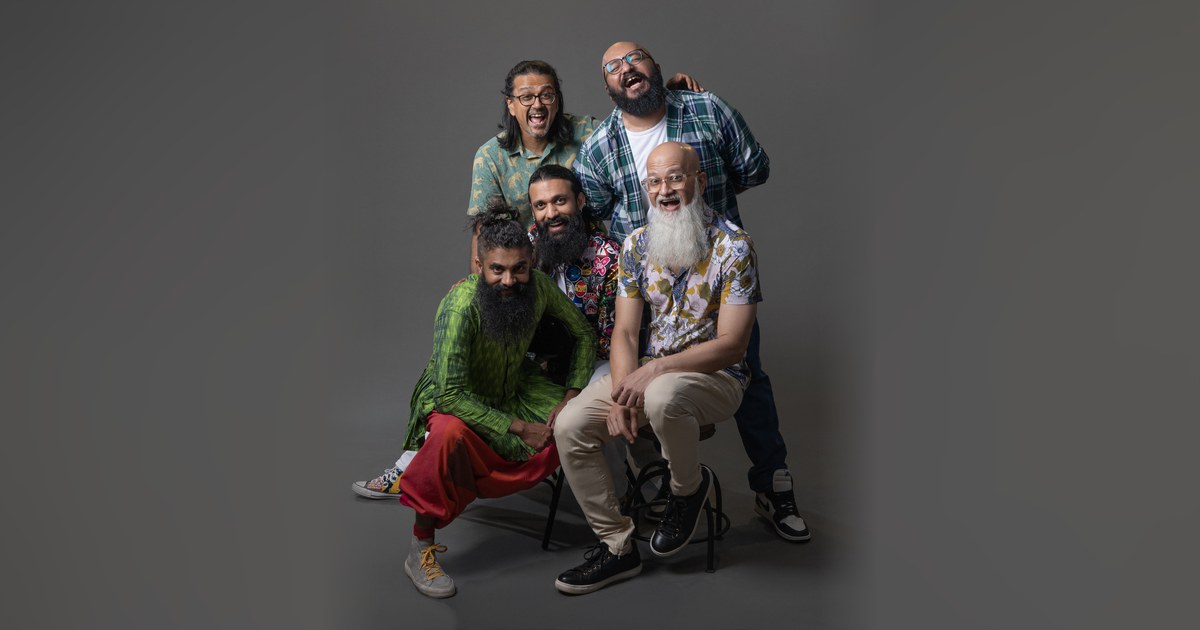
Indian outlets regularly write about independent acts that make it easy for them. The Indian Music Diaries, for instance, ran a piece on Raghav Meattle, Swarathma and Suzonn touring together, under the headline "From Indie Folk to Soulful Indie: Raghav Meattle, Swarathma & Suzonn Cook Up a Touring Feast." Swarathma, pictured above, list themselves as independent on Wikipedia, which describes them as one of India's biggest folk rock bands, formed in Mysore in 2002. A tour, a release date and good photos give a writer a reason to post today rather than someday.
Mistakes that get submissions ignored
- Pitching after release. Most blogs, LOUD WOMEN included, cover music at or near release day.
- Attaching MP3s, WAVs or PDFs instead of links.
- Sending one email to dozens of outlets in the CC field.
- Pitching the wrong genre or the wrong address.
- Missing credits, which writers need to publish accurately.
- Following up repeatedly within days.
FAQ
How do I submit my music to blogs in India?
Choose blogs that cover your genre, use each one's published form or submission email, and send a short pitch with a private streaming link, credits and asset links two to four weeks before release.
Which Indian music blogs accept submissions?
Wild City, Desi Hip Hop, Savaal, Apollo's Harp, The Indian Music Diaries and Discography all publish submission routes on their sites.
How early should I send my music to blogs?
Orphiq recommends two to three weeks before release for reviews and three to four weeks for premieres. LOUD WOMEN asks for about a month for albums and a week or two for singles.
Should I attach my song to the email?
No. Send a one-click private streaming link and link your photos and press release. LOUD WOMEN says attachments increase the risk of your email being caught by spam filters.
Do Indian music blogs charge to feature artists?
Some do. Findie lists a ₹499 fee for an India artist feature. Discography says submitting is free and it never charges for coverage.
Sources
- Discography, Submit Your Music
- Orphiq, "Music Blog Submissions: What to Send, When, and to Whom"
- LOUD WOMEN, "DIY Guides #6: How to get your music featured on blogs"
- Wild City, About
- Desi Hip Hop, Platform Submissions
- Savaal Music Magazine, homepage
- Apollo's Harp, About
- The Indian Music Diaries, Contact Us
- Radio and Music, About Us
- Findie, Get featured on Findie
- The Indian Music Diaries, "From Indie Folk to Soulful Indie: Raghav Meattle, Swarathma & Suzonn Cook Up a Touring Feast"
- Wikipedia, "Swarathma"
Cover photo: Jishnuzz / Wikimedia Commons (CC BY-SA 4.0).
Sources
- Discography, Submit Your Music
- Orphiq, "Music Blog Submissions: What to Send, When, and to Whom"
- LOUD WOMEN, "DIY Guides #6: How to get your music featured on blogs"
- Wild City, About
- Desi Hip Hop, Platform Submissions
- Savaal Music Magazine, homepage
- Apollo's Harp, About
- The Indian Music Diaries, Contact Us
- Radio and Music, About Us
- Findie, Get featured on Findie
- The Indian Music Diaries, "From Indie Folk to Soulful Indie: Raghav Meattle, Swarathma & Suzonn Cook Up a Touring Feast"
- Wikipedia, "Swarathma"
Discography is an independent music magazineHow to get coveredRelease music in IndiaIndian indieAbout