Key facts
- Definition: non-film, artist-led music, released independently or through small and artist-owned labels
- Roots: 1960s Bombay beat groups; The Savages won the Simla Beat Contest for original songs in 1967 (Indiearth)
- First all-original rock album: Rock Machine's Rock'n'Roll Renegade (1988), as described by Rolling Stone India
- Streaming scale: Indian artists' Spotify royalties grew 29% in 2025, and more than 40% came from listeners outside India (Spotify Loud & Clear 2026)
- Biggest live platforms: NH7 Weekender (since 2010, Pune) and Ziro Festival of Music (since 2012, Arunachal Pradesh)
Indian indie music is original music made by Indian artists outside the Bollywood film-soundtrack system, usually self-released or put out by small labels. It covers rock, folk fusion, singer-songwriter pop, hip-hop, electronic and metal, sung in Hindi, English and a growing number of regional languages. The scene goes back to the Bombay beat groups of the 1960s. It found its first original-rock voices in Rock Machine (later Indus Creed) and Indian Ocean in the late 1980s and 1990s, and it is now one of the fastest-growing parts of Indian streaming. Spotify says I-Pop, its name for popular Indian music released outside film soundtracks, made up half of its 2025 year-end top 10 in India.
This guide explains what counts as indie in India, how the scene grew decade by decade, which artists matter in each era and city, how labels and festivals fit in, and where to start listening in 2026.
What is Indian indie music?
"Indie" in India is defined less by a sound than by a route. Bollywood soundtracks are commissioned for films and owned by film-music labels. Indie songs start with the artist. The Sound Atlas describes the modern movement as music "unbound from Bollywood's commercial demands", held together by "a shared ethos: independence, artistic integrity, and the willingness to experiment" rather than a single genre.
That is why the same word covers Indian Ocean's raga-rooted fusion rock, Prateek Kuhad's bilingual acoustic songs, Seedhe Maut's Delhi hip-hop and Bloodywood's folk metal. The line is not perfectly clean. Some artists who began independently now release through major labels, and films increasingly borrow indie artists. Spotify notes that the 2025 film album Dhurandhar featured several independent artists. In this guide, "indie" means artist-led, non-film music, whoever distributes it.
How did Indian indie music begin?
The 1960s and 1970s beat era
Western rock reached India in the 1960s, and Bombay's "beat groups" were judged mostly on how well they covered The Beatles or The Shadows. Indiearth's history notes that bands such as The Savages also wrote originals, and that the Simla Beat Contest, which rewarded original songs, gave them a stage. The Savages won it in 1967. Remo Fernandes, who played with The Savages, went on to become what Indiearth calls the highest-selling English rock musician in India, with Pack That Smack (1986) and Bombay City (1987).
In the late 1970s Atomic Forest made a psychedelic rock record in Bombay. Its recordings were later reissued by the Los Angeles label Now Again Records as Obsession.
The 1980s and 1990s original rock wave
The modern scene is usually dated to Rock Machine. Rolling Stone India calls their 1988 album Rock'n'Roll Renegade "the country's first all-original rock record". Renamed Indus Creed in 1993, the band reached a national audience with the "Pretty Child" video on MTV. According to Wikipedia, the group was founded in 1984, split in 1997 and re-formed in 2010.
Three more bands defined the decade:
- Indian Ocean, formed in New Delhi in 1990, is widely credited with pioneering Indian fusion rock, mixing raga and folk songs with rock. Rolling Stone India's 2014 list of the greatest Indian rock songs included "Ma Rewa" and "Kandisa" from their 2000 album Kandisa.
- Parikrama, formed in Delhi in 1991, became known for its live shows and toured with Iron Maiden in 2007, including a slot at Download Festival in England.
- Pentagram, formed in Mumbai in 1994 and fronted by Vishal Dadlani, moved from rock into electronica.
In Bengaluru, Thermal and a Quarter formed in 1996 and called their sound "Bangalore rock". By 2020 they had released eight studio albums.
The 2000s and 2010s internet and festival boom
Forbes India pointed out that pioneers such as Indus Creed, Pentagram and Indian Ocean "had never existed in large enough numbers to truly constitute a scene". That changed once home recording, social media and festivals arrived. In 2010 Indian Ocean released their album 16/330 Khajoor Road online for free, after frustration with label contracts, and turned to concerts and brand partnerships for income.
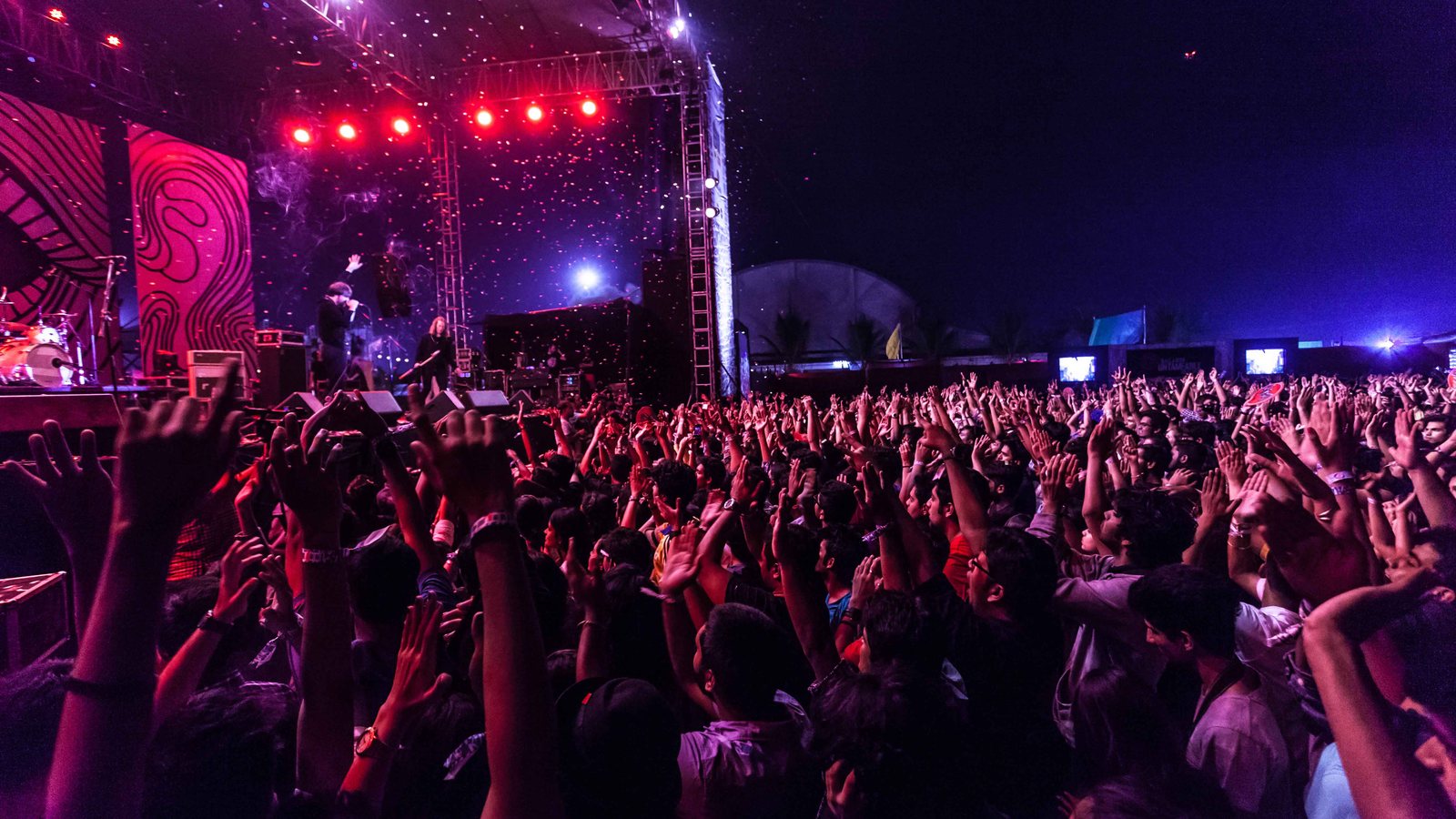
The same year NH7 Weekender began in Pune as a three-day, multi-genre festival. It has since been held in Delhi NCR, Bengaluru, Kolkata, Hyderabad and Shillong. Ziro Festival of Music followed in 2012 in Arunachal Pradesh, with a focus on emerging acts from Northeast India.
A new generation broke through in this period:
- Peter Cat Recording Co. (Delhi, 2009), an alternative band whose singer Suryakant Sawhney also records as Lifafa
- The Local Train (Chandigarh, 2008), whose Hindi rock albums Aalas Ka Pedh (2015) and Vaaqif (2018) were both among the five most-streamed rock albums on Apple Music India
- Thaikkudam Bridge (Kerala, 2013), who went viral with "Fish Rock" and had played more than 600 shows in 25 countries by 2024
- When Chai Met Toast (Kochi, 2016), a multilingual indie-folk band picked for Spotify's RADAR programme
- Ritviz (Pune), who rose after "Udd Gaye" won the 2017 Bacardi House Party Sessions
- Divine (Mumbai), whose "Mere Gully Mein" (2015) with Naezy helped bring Indian hip-hop into the mainstream
The 2020s streaming era
Streaming turned indie songs into chart hits. Prateek Kuhad, best known for "Kasoor" and "Co2", sings in Hindi and English. Anuv Jain's "Husn" and "Jo Tum Mere Ho" both reached No. 1 on the all-genre Apple Music India and Spotify India charts. Spotify's 2026 Loud & Clear report says Aditya Rikhari's "Sahiba" held No. 1 on Spotify India for more than 11 weeks in a row.
Hip-hop also built its own infrastructure. Seedhe Maut signed to the independent label Azadi Records in 2017. After their 2023 project Lunch Break they left and set up their own label, DL91, in 2024.
Key Indian indie artists by city
Every city has its own indie history. Here is a short map, with links to our longer city guides.
- Delhi: Indian Ocean, Parikrama, Peter Cat Recording Co., The Local Train and Seedhe Maut. Our Delhi indie scene guide covers the city decade by decade.
- Mumbai: Indus Creed, Pentagram and Divine.
- Bengaluru: Thermal and a Quarter and the Raghu Dixit Project, a multilingual folk band. See the Bengaluru indie scene.
- Kerala: Thaikkudam Bridge and When Chai Met Toast.
- Pune: Ritviz, and the flagship edition of NH7 Weekender.
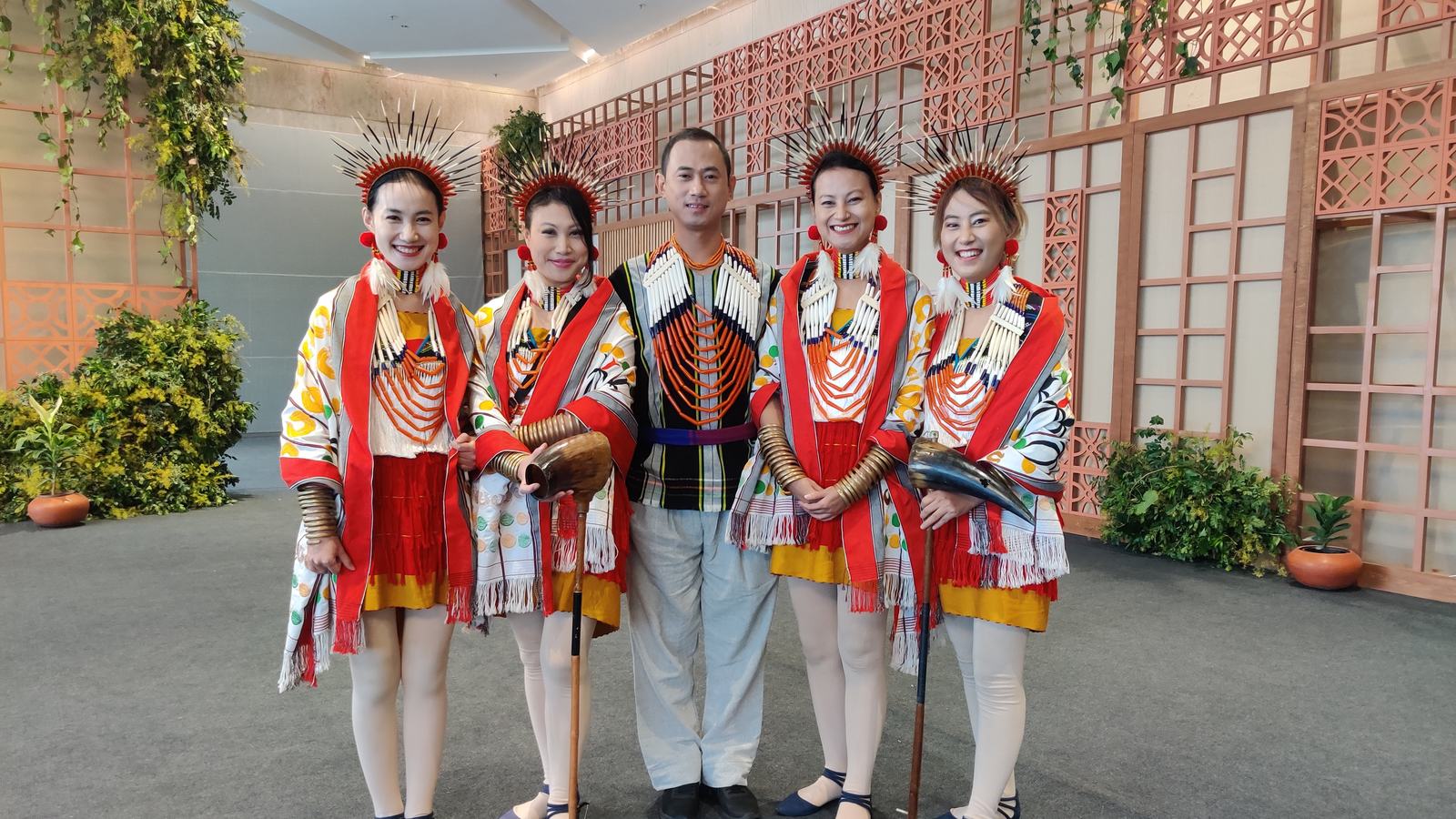
- Northeast India: Ziro Festival of Music showcases the region's new bands every September.
Which labels release Indian indie music?
Most Indian indie music is still self-released through digital distributors. Labels matter at three levels:
- Artist-owned labels: Seedhe Maut's DL91 (2024) is a recent example of a successful act taking control of its own releases.
- Independent labels: Azadi Records was home to Seedhe Maut from 2017 to 2023.
- New studio-backed labels: in 2026 Yash Raj Films launched Raah Records as an incubator for original artists, Excel Entertainment launched Excel Music with Universal Music Group as shareholder and distributor, and UK-based Virtuoso Music entered India with a multilingual slate (The Hindu BusinessLine).
That last group raises a question for fans: once a major owns or distributes the music, is it still indie? We file such artists as "Major-controlled" in our catalogue so readers can see the difference. To keep reading, see our guide to independent music magazines in India.
Where can you listen to Indian indie music?
- Streaming services: Spotify, Apple Music, JioSaavn and YouTube Music all carry Indian independent catalogues. Spotify's editorial programmes RADAR and EQUAL helped raise local streams of Indian women artists by 27% in 2025.
- YouTube: many indie careers began there. Ritviz's "Udd Gaye" broke through on AIB's channel.
- Bandcamp: a direct-to-fan store that some Indian artists use for downloads and merch.
- Festivals: NH7 Weekender returned to Pune on 13 to 15 March 2026 with Prateek Kuhad, Indian Ocean and Aditya Rikhari on the bill (Rolling Stone India). Ziro Festival of Music 2026 ran from 24 to 27 September, with Parikrama and NOVO among more than 40 acts.
Where to start listening
Ten songs, from the oldest to the newest:
- Indus Creed, "Pretty Child" (1990)
- Indian Ocean, "Kandisa" (2000)
- Parikrama, "But It Rained" (2001)
- Divine and Naezy, "Mere Gully Mein" (2015)
- Thaikkudam Bridge, "Fish Rock"
- The Local Train, a track from Aalas Ka Pedh (2015)
- Ritviz, "Udd Gaye" (2017)
- Prateek Kuhad, "cold/mess" (2018)
- Anuv Jain, "Husn" (2023)
- Aditya Rikhari, "Sahiba"
Why Indian indie music matters in 2026
The numbers are now industry-sized. Spotify reports that listeners streamed Indian artists nearly 335 billion times in 2025, and that 11 of the 15 most-exported Indian songs that year came directly from artists rather than film soundtracks. Regional languages are growing fastest: royalties for Telugu music rose more than 120% and for Marathi nearly 50%. The Hindu BusinessLine, citing IMI-EY, reports 14 million premium music subscriptions in India in 2025, up 37% on 2024. For a full picture of artist income, read our Indian indie streaming income 2026 report.
FAQ
What is meant by Indian indie music?
It is original, artist-led music made outside the Bollywood film system, released by the artists themselves or through small labels, in any genre and language.
Who started indie music in India?
There is no single founder. 1960s beat groups such as The Savages wrote originals, and Rolling Stone India credits Rock Machine's 1988 album Rock'n'Roll Renegade as the first all-original Indian rock record.
Who is the most popular Indian indie artist?
Popularity changes every year. In 2025 Spotify named Anuv Jain and Kushagra among the I-Pop artists in its India year-end top 10, and Aditya Rikhari's "Sahiba" held No. 1 for more than 11 weeks.
Is Prateek Kuhad an indie artist?
Yes. Wikipedia describes him as a singer-songwriter who makes independent music in Hindi and English, and his 2015 album In Tokens and Charms is credited to him as rights holder on Spotify.
Which is the biggest indie music festival in India?
NH7 Weekender, held since 2010, is one of the largest multi-genre festivals. Ziro Festival of Music is the best-known outdoor festival for independent and Northeast acts.
Sources
- Indiearth: The Rise of the Indie
- Rolling Stone India: 25 Iconic Indian Rock Acts
- Forbes India: The resurgence of indie music
- The Sound Atlas: Indie Indian
- Spotify Newsroom: India Loud and Clear report 2026
- The Hindu BusinessLine: New music labels tap India's independent audio boom
- Rolling Stone India: NH7 Weekender 2026 lineup
- Ziro Festival: Lineup 2026
- Wikipedia: Indus Creed
- Wikipedia: Indian Ocean (band)
- Wikipedia: Parikrama (band)
- Wikipedia: Pentagram (Indian band)
- Wikipedia: Thermal and a Quarter
- Wikipedia: The Local Train
- Wikipedia: Thaikkudam Bridge
- Wikipedia: When Chai Met Toast
- Wikipedia: Ritviz
- Wikipedia: Divine (rapper)
- Wikipedia: Prateek Kuhad
- Wikipedia: Anuv Jain
- Wikipedia: Seedhe Maut
- Wikipedia: Peter Cat Recording Co.
- Wikipedia: Raghu Dixit
- Wikipedia: NH7 Weekender
- Wikipedia: Ziro Festival of Music
- Spotify: In Tokens and Charms by Prateek Kuhad
Cover photo: Teaminterface / Wikimedia Commons (CC BY-SA 3.0).
Discography is an independent music magazineHow to get coveredRelease music in IndiaIndian indieIndian indie bandsAbout