Key facts
- Chic Chocolate: Antonio Xavier Vaz, born 1916 in Aldona, Goa; trumpeter known as the Louis Armstrong of India
- Louiz Banks: Born Dambar Bahadur Budaprithi in Calcutta in 1941; grew up in Darjeeling
- Mohini Dey: Mumbai bassist born 1996; self-titled debut album released August 2023
- Origins: Jazz was probably first played regularly in Calcutta and Bombay in the early or middle 1920s
- Golden age: The 1930s to 1950s, centred on the Taj Mahal hotel ballroom in Bombay
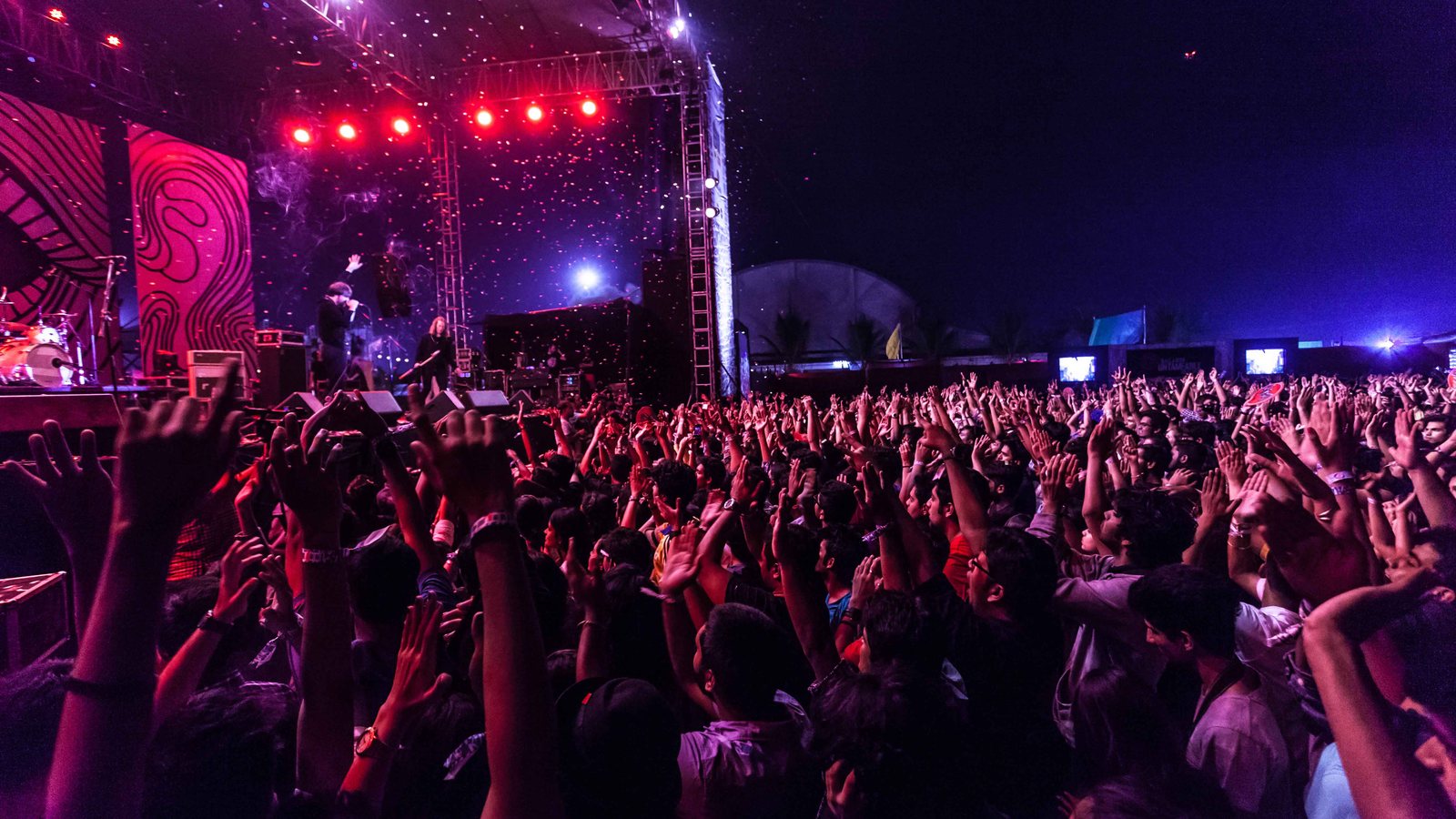
Indian jazz is older than Indian independence. It started in the hotel ballrooms of Bombay and Calcutta in the 1920s, fed the Hindi film orchestras of the mid-century, and now shows up in Carnatic scat singing, prog-fusion drumming and bass playing that tours the world. It is also back on big festival stages: the Lollapalooza India 2027 lineup announced in September 2026 lists jazz among its genres and includes Carnatic-jazz vocalist Varijashree Venugopal.
This guide traces the story through six musicians, from a Goan trumpeter of the 1940s to a bassist from Mumbai who now plays with international stars. Every fact comes from the sources at the end. Where a source didn't support a claim, we left the claim out.
A short history of jazz in India
The ballroom era
Jazz was probably first played regularly in Calcutta and Bombay in the early or middle 1920s. The 1930s to the 1950s are often called the golden age of jazz in India. African-American musicians such as Leon Abbey, Crickett Smith, Teddy Weatherford and Rudy Jackson toured India, partly to escape racial discrimination at home. In the winter of 1935, Minnesota violinist Leon Abbey brought the first eight-piece band to Bombay.
The centre of the Bombay scene was the Taj Mahal hotel ballroom. Musicians also played regularly at venues such as the Ambassador's Starlight Roof Gardens, the Bristol Grill, the Greens Hotel and the Ritz Roof Garden. Goan musicians learned from the visiting players and later carried jazz into the sound of Hindi film music.
Today's scene
Mumbai, Pune, Delhi, Goa and Kolkata still have active jazz scenes. Modern Indian jazz overlaps heavily with fusion: Carnatic rhythm, Hindustani melody and progressive rock show up in much of it, as the musicians below show.
1. Chic Chocolate
Antonio Xavier Vaz was born in 1916 in Aldona, in Portuguese Goa, and learned music at his local parish school. His mother wanted him to become a mechanic. He chose the trumpet instead. As Chic Chocolate he led the jazz band at the Taj Mahal Hotel in Bombay and became one of the city's best-known jazz musicians. He modelled his trumpet playing and scatting on Louis Armstrong and was nicknamed the "Louis Armstrong of India". He also composed for Hindi films and played trumpet on soundtracks, a clear example of how jazz passed into Bollywood. He died in May 1967.
Why he matters: he links the ballroom era to the film-music era more clearly than anyone else.
2. Louiz Banks
Louiz (also written Louis) Banks was born Dambar Bahadur Budaprithi in Calcutta in 1941, to Nepali parents, and grew up in Darjeeling. His father, a trumpeter who took the name George Banks, renamed him after Louis Armstrong. He worked in Kathmandu in the late 1960s, playing at the Soaltee Hotel for three years. In that period he turned down an offer from R. D. Burman to work in Mumbai. In 1971 he moved to Calcutta, where he met singer Pam Craine and saxophonist Braz Gonsalves and formed The Louis Banks Brotherhood. The band went from the Hindustan Hotel to the Blue Fox, a night club known for live Western music. He is often called the "Godfather of Indian jazz". He also led the Indo-jazz fusion band Sangam and mentored bassist Mohini Dey.
Why he matters: for decades, most roads in Indian jazz have run through him.
3. Ranjit Barot
Ranjit Barot was born in 1959 to a family of musicians and dancers. His mother, Sitara Devi, was a celebrated Kathak dancer from Varanasi. He is a drummer, composer, arranger and singer, and a longtime associate of A. R. Rahman. His influences mix Indian percussion masters such as Ustad Alla Rakha, Zakir Hussain and mridangam players Palghat Raghu and Karaikudi Mani with jazz and fusion drummers such as Billy Cobham, Tony Williams, Elvin Jones and Steve Gadd. John McLaughlin has called him one of the "leading edges" in drumming. He also spotted a young Mohini Dey and took her on tour with his band.
Why he matters: his playing shows how Indian rhythm systems and jazz-fusion drumming fit together.
4. Gino Banks
Gino Banks, son of Louiz Banks, grew up in Mumbai and started playing drums at eight. By nine he was touring Australia and China as a percussionist in his father's Indo-jazz band, Sangam. He has played with Zakir Hussain, Shankar Mahadevan, Hariprasad Chaurasia and Shivkumar Sharma. In 2022 he played the Four Aces concert with Louiz Banks, Zakir Hussain, Shankar Mahadevan, Sheldon D'Silva and Rakesh Chaurasia. He also drums in MaMoGi with Mohini Dey.
Why he matters: he carries the Banks family's jazz into a generation that moves easily between classical, fusion and rock.
5. Mohini Dey
Mohini Dey was born in 1996 and grew up in Mumbai, where her father worked as a session musician. She got her first bass at nine or ten and started performing at 11. Ranjit Barot took her on tour and Louiz Banks mentored her. She has played for A. R. Rahman and appeared on Coke Studio India. Her self-titled debut album came out in August 2023. Her collaborators include Steve Vai, Jordan Rudess of Dream Theater, Zakir Hussain and Willow Smith, who invited her into a new band in 2024. In late 2025 she was criticised for a marketing deal with the AI music service Suno.
Why she matters: her career shows how far India's jazz-fusion training can take a musician.
6. Varijashree Venugopal
Varijashree Venugopal, born in Bengaluru in 1991, is a singer and flautist trained in Carnatic music from age four. She created what she calls "Carnatic Scat Singing", a blend of Carnatic music and jazz. She has worked with Charkafonics, EYM Trio and Snarky Puppy. In 2024 she received her first Grammy nomination, with Jacob Collier and Anoushka Shankar, for "A Rock Somewhere". Lollapalooza India 2027 has her on the day-one bill for January 23 at Mahalaxmi Racecourse in Mumbai, according to Time Out Mumbai.
Why she matters: she is building a jazz vocabulary that starts from Carnatic music, not the American songbook.
How to get into Indian jazz
Listen in order. Start with Chic Chocolate's film-era trumpet, move to Louiz Banks, then try Barot, Dey and Varijashree. You will hear jazz in India move from imitation to invention. Follow the family trees. Mentorship matters a lot in Indian jazz. Banks taught Dey, Barot toured her, and Gino Banks plays with her in MaMoGi. Catch it live. Varijashree's Lollapalooza India set on January 23, 2027 is one of the most visible jazz bookings on an Indian festival bill this season.
FAQ
Who is called the Godfather of Indian jazz?
Louiz Banks, a pianist, composer and producer born in Calcutta in 1941, is often called the "Godfather of Indian jazz".
When did jazz come to India?
It was probably first played regularly in Calcutta and Bombay in the early or middle 1920s. The 1930s to the 1950s are often called its golden age in India.
What is Carnatic scat singing?
It is a style created by Varijashree Venugopal that blends Carnatic music with jazz scat vocals.
Which Indian cities have jazz scenes?
Mumbai, Pune, Delhi, Goa and Kolkata are home to active jazz scenes.
Sources
Wikipedia, "Jazz in India", "Chic Chocolate", "Louis Banks", "Ranjit Barot", "Gino Banks", "Mohini Dey", "Varijashree Venugopal" (accessed 23 Oct 2026) "Lollapalooza India 2027 drops day-wise lineup", Time Out Mumbai, 2026 "Lollapalooza India 2027 lineup", The Hindu, 3 Sep 2026
Related on Discography
The independent music scene in India, 2026 Indian indie collaborations Music festivals in India: 2026 calendar
Cover photo: Jaritcely Villanueva Lugo / Wikimedia Commons (CC BY 4.0).
Discography is an independent music magazineHow to get coveredRelease music in IndiaIndian indieIndian indie bandsAbout