Key facts
- Shakti: Formed in 1973 by John McLaughlin and L. Shankar, with Zakir Hussain and Vikku Vinayakram; combined Carnatic music with jazz
- L. Subramaniam: Violinist born in Madras in 1947, trained in Carnatic and Western classical music
- U. Srinivas: Mandolin player born in 1969 in Palakollu, Andhra Pradesh; concert debut in 1978
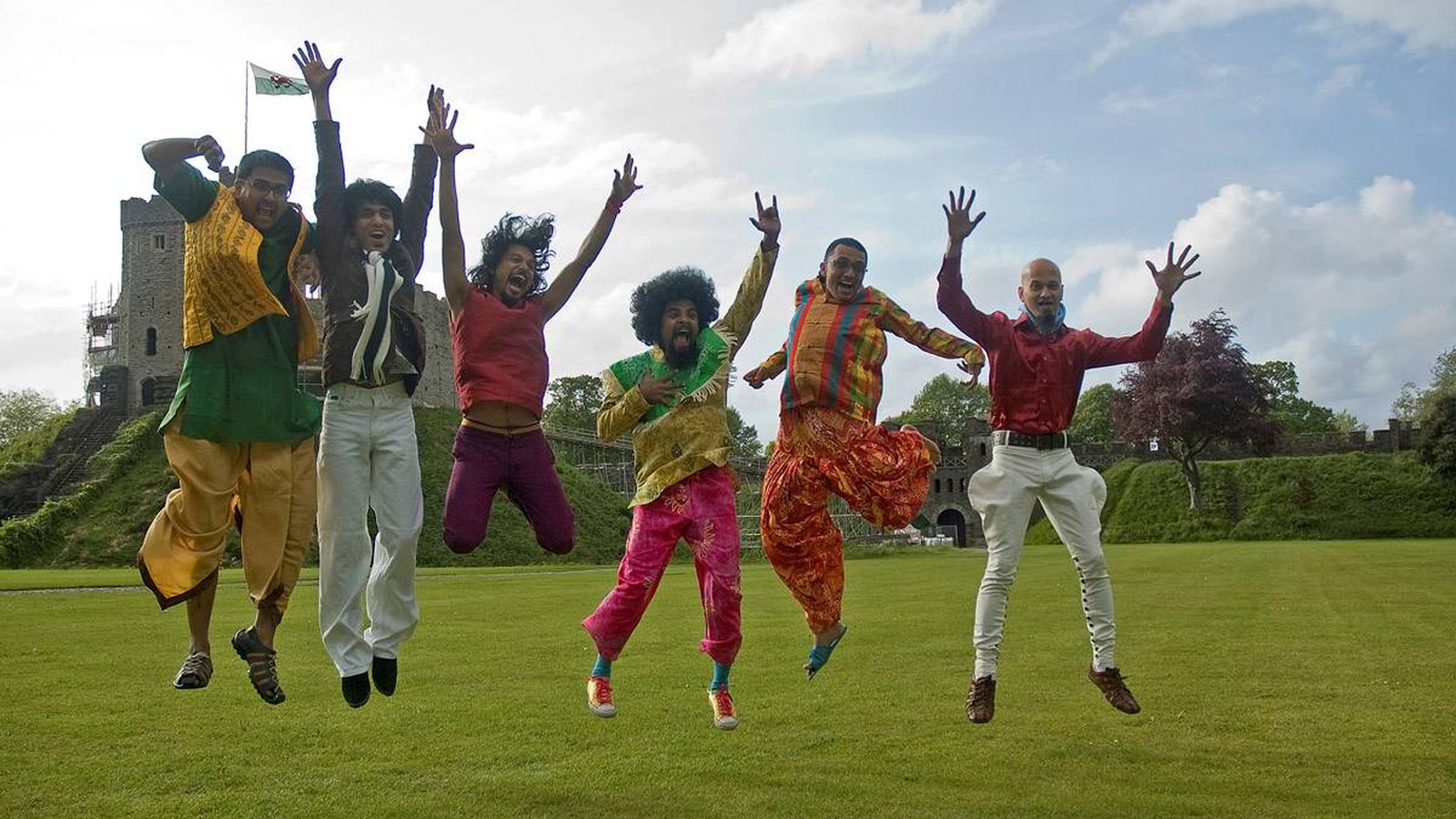
- Agam: Carnatic progressive rock band formed in Bengaluru in 2003
- Varijashree Venugopal: Bengaluru-born creator of Carnatic Scat Singing; 2024 Grammy nomination with Jacob Collier and Anoushka Shankar
Carnatic music has a strict grammar of raga, tala and composition, and it has kept its form through centuries of concert tradition. That same rigour is why it fuses so well. Musicians who know where the cycle lands can lay jazz harmony, progressive-rock riffs or electronic production over it without losing the thread.
This guide covers Carnatic fusion through six artists and acts, from a 1970s acoustic supergroup to a Bengaluru band that put ragas through distortion pedals, and a vocalist who scats in Carnatic syllables. If you came looking for North Indian folk-rock or Hindustani-electronic crossovers, those are separate stories. This one stays south of the Vindhyas, in musical terms. All facts are taken from the sources listed at the end.
What counts as Carnatic fusion?
The core idea
Carnatic fusion keeps a Carnatic element, such as a raga, a kriti, a rhythmic structure or a Carnatic-trained voice or instrument, and pairs it with a non-Carnatic idiom. The earliest famous examples paired it with jazz. Later ones brought in rock, metal, pop covers and electronic tools.
Why it travels
Carnatic rhythm is built on precise cycles and mathematical improvisation, which jazz and prog musicians recognise straight away. That is why the genre's best-known collaborations have so often been international.
1. Shakti
Shakti is the founding text. English guitarist John McLaughlin and Indian violinist L. Shankar formed the group in 1973, first under the name "Turiyananda Sangit". It settled with Zakir Hussain on tabla and Vikku Vinayakram on ghatam. Shakti played acoustic music that combined Carnatic music with jazz. Because Hussain came from the north and Shankar and Vikku from the south, the group also brought Hindustani and Carnatic traditions together. It toured widely between 1975 and 1977. Two Montreux Jazz Festival concerts, from 1976 and 1977, appear in McLaughlin's Montreux Concerts box set. In 1997 McLaughlin and Hussain formed Remember Shakti with V. Selvaganesh, mandolinist U. Shrinivas and later Shankar Mahadevan. The band reformed in 2020. On 23 June 2023 it released This Moment, its first album as Shakti in 46 years, and toured India, Europe and the US as Shakti5.
Start with: the Montreux recordings, then This Moment (2023).
2. L. Subramaniam
L. Subramaniam was born in Madras in 1947 and trained in both Carnatic and Western classical music. He gave his first public performance at six, earned a medical degree from Madras Medical College, and then took up music full-time. He later earned a master's degree in Western classical music from the California Institute of the Arts. His brothers are violinist-composers L. Shankar, Shakti's co-founder, and the late L. Vaidyanathan. His career shows that Carnatic fusion can come from deep training in two classical systems, not only from jamming.
Start with: his violin recordings that bring Carnatic and Western classical writing together.
3. U. Srinivas
Uppalapu Srinivas was born in 1969 in Palakollu, Andhra Pradesh. At five he picked up his father's mandolin, an instrument that had never been played in the demanding Carnatic style. His guru, Rudraraju Subbaraju, did not play the mandolin. He sang Carnatic pieces and the boy worked them out on the instrument, which led to a technique entirely his own. Srinivas made his concert debut in 1978 at the Thyagaraja Aradhana in Gudivada, and in 1981, aged 11, played the December Music Season in Chennai. He received the Padma Shri in 1998 and the Sangeet Natak Akademi Award in 2009. In fusion, he was the electric mandolin voice of Remember Shakti. He died in 2014.
Start with: his Remember Shakti performances, then his classical concerts.
4. Agam
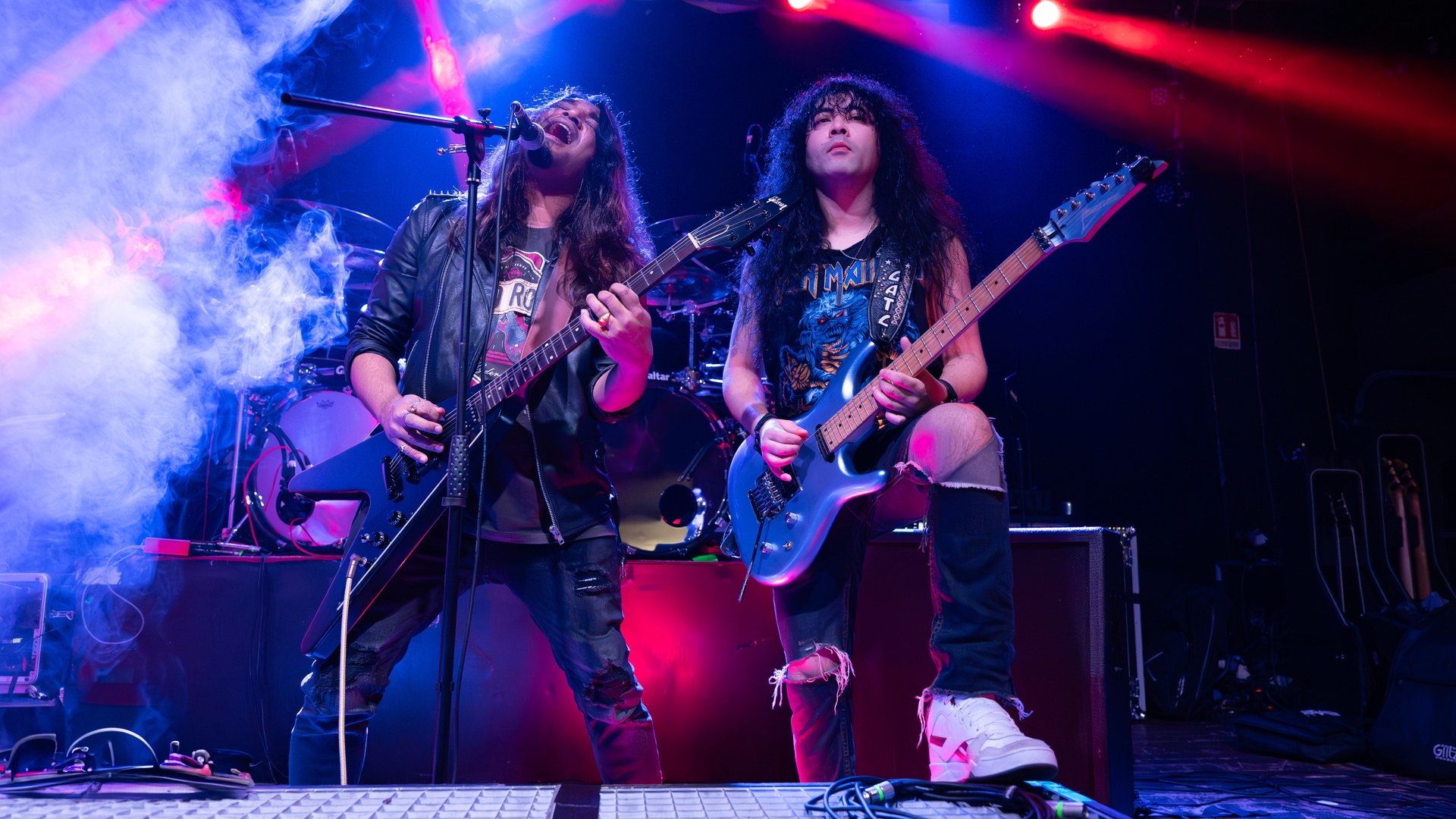
Agam (the name comes from a Tamil word meaning "inner self") formed in Bengaluru in 2003. College musicians who loved progressive rock and Indian classical music started the band. Vocalist Harish Sivaramakrishnan brings decades of Carnatic training, and lead guitarist Praveen Kumar Thyagarajan brings a metal edge. In 2007 the band won Ooh La La La, a Sun TV reality show judged by A. R. Rahman. "Malhar Jam", featured on MTV's Coke Studio, broke them nationally and appeared on their debut album The Inner Self Awakens (2012). Agam's "Carnatic progressive rock" is the clearest bridge between the concert hall and the Indian rock festival circuit.
Start with: "Malhar Jam" and The Inner Self Awakens. Read our Agam band profile for more.
5. Mahesh Raghvan
Mumbai-based Mahesh Raghvan holds a master's in digital composition and performance from the University of Edinburgh. He is known for playing Carnatic music on the iPad, using the GeoShred app. He built his audience on YouTube, where he started his channel in July 2014, with Carnatic fusion pieces and Indian-style covers of pop songs. He has worked with Ranjani-Gayatri, Aruna Sairam, P. Unnikrishnan and Jordan Rudess, and plays in Carnatic 2.0 with violinist Shravan Sridhar. He is also creative director of IndianRaga, an organisation that promotes Indian fine arts.
Start with: his GeoShred videos on YouTube.
6. Varijashree Venugopal
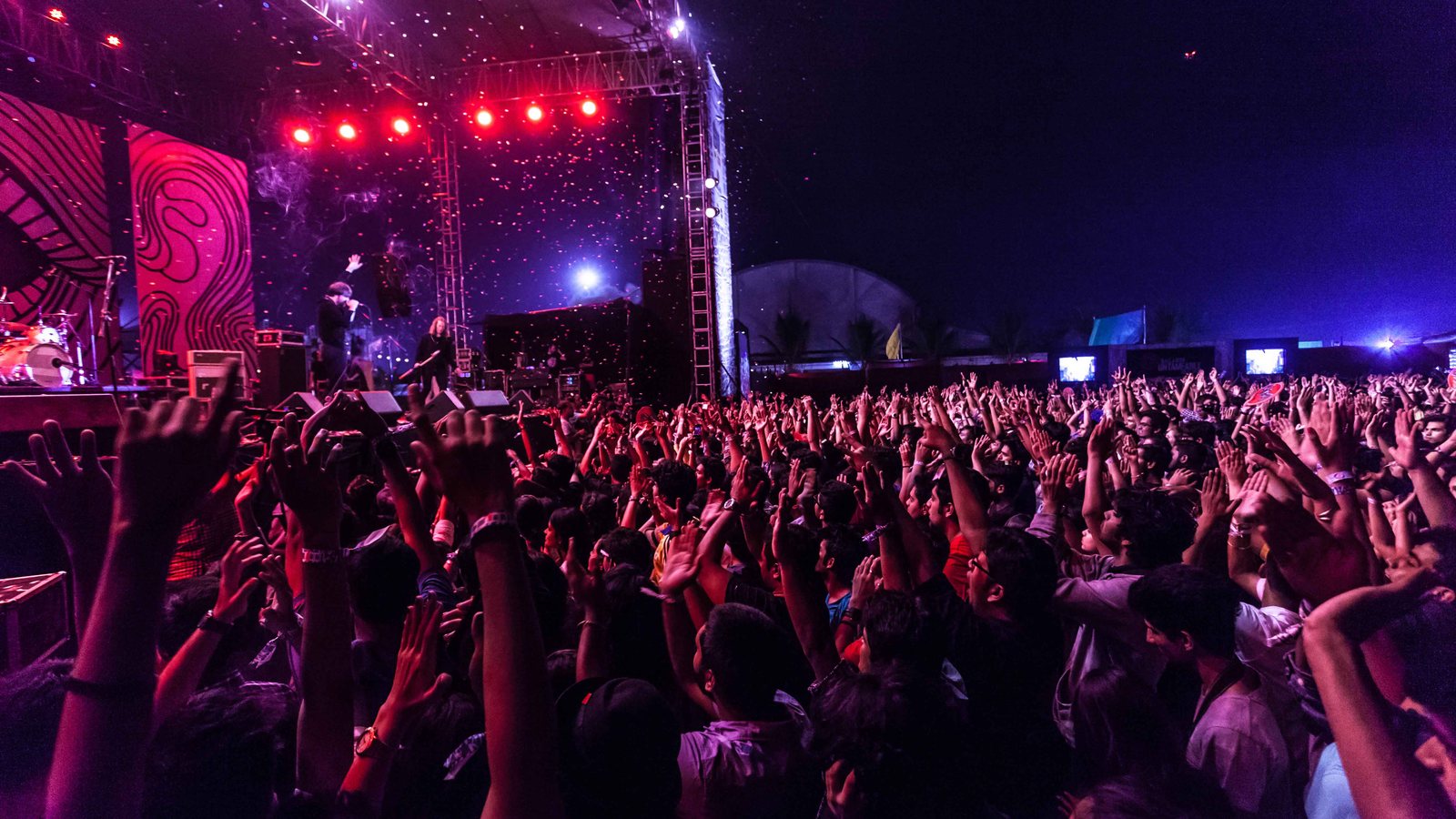
Bengaluru-born Varijashree Venugopal started formal Carnatic training at four. She created what she calls "Carnatic Scat Singing", a blend of Carnatic music and jazz. She has worked with Charkafonics, EYM Trio and Snarky Puppy, and in 2024 received a Grammy nomination with Jacob Collier and Anoushka Shankar. She is on the Lollapalooza India 2027 lineup announced in September 2026, which puts a Carnatic-rooted improviser on one of the country's biggest festival bills. Her career takes the Shakti idea, Carnatic meets jazz, into a new generation.
Start with: her Snarky Puppy and Jacob Collier collaborations.
A listening path
Shakti, live at Montreux for the acoustic origins. U. Srinivas with Remember Shakti for the 1990s and 2000s second wave. Agam, "Malhar Jam" for Carnatic prog rock. Mahesh Raghvan for the YouTube-era, technology-first approach. Varijashree Venugopal for where the jazz side is heading now.
FAQ
What is Carnatic fusion music?
It is music that keeps a Carnatic element, such as a raga, a rhythmic cycle or a Carnatic-trained voice or instrument, and combines it with another style such as jazz, rock or electronic music.
Who started Carnatic fusion?
Many musicians crossed over earlier, but Shakti, formed in 1973 by John McLaughlin and L. Shankar, is one of the best-known pioneers. It combined Carnatic music with jazz.
Which Indian band plays Carnatic progressive rock?
Agam from Bengaluru, formed in 2003, describes its sound as Carnatic progressive rock. "Malhar Jam" on Coke Studio is its best-known performance.
Is Carnatic fusion the same as Indian classical fusion?
No. Indian classical fusion covers both Hindustani and Carnatic traditions. Carnatic fusion starts from the South Indian system. Some groups, like Shakti, combined both.
Sources
Wikipedia, "Shakti (band)", "L. Subramaniam", "U. Srinivas", "Agam (band)", "Mahesh Raghvan", "Varijashree Venugopal" (accessed 23 Oct 2026) "Lollapalooza India 2027 lineup", The Hindu, 3 Sep 2026
Related on Discography
Agam: the band profile Thaikkudam Bridge: a history Regional sounds reshaping Indian music The independent music scene in India, 2026
Cover photo: Vinay / Wikimedia Commons (GFDL).
Discography is an independent music magazineHow to get coveredRelease music in IndiaIndian indieIndian indie bandsAbout